
Yes—these super glues excel at wood bonding when chosen for the right task. This guide highlights five options that work well for woodworking, furniture repairs, and craft projects, with clear notes on who each product is best for. Use the table below to compare key strengths and ideal uses at a glance.
| Product | Best For | Key Strength |
|---|---|---|
| Wood Super Glue Liquid, Clear Instant Cyanoacrylate Adhesive for Wood Crafts Repair Woodworking | Furniture repairs, fine cracks, seamless finishes | Fast-drying, waterproof, professional-grade strength |
| Gorilla Ultimate Waterproof Wood Glue | Indoor and outdoor woodworking | Waterproof, ANSI/HPVA Type I, natural tan color |
| Loctite Super Glue Ultra Gel Control | Vertical applications, precise wood repairs | No drip, easy side-squeeze control |
| Gorilla Super Glue Gel XL | Precise, small repairs and crafts | Thick gel, anti-clog cap, quick set |
| WOUSEDO 12 X 3g Super Glue Liquid | Multiple DIY repairs, various materials including wood | Convenient individual tubes, quick dry, clear finish |
Wood Super Glue Liquid for Wood Projects
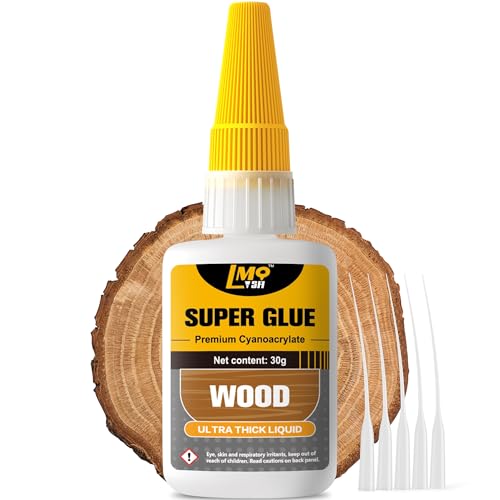
Brand: LMQ LASH. This adhesive is designed to penetrate fine cracks and bond wood with other materials. It dries quickly, cures fully within 24 hours, and offers waterproof and heat-resistant performance, making it ideal for furniture repairs and crafts that require a strong, seamless finish. Best for: homeowners and hobbyists tackling furniture cracks or small repairs where a clean, invisible bond is desired. Limitation: the declared drying window is rapid, so careful placement is essential before setting. Suitable for wood-to-metal or similar surfaces.
Gorilla Ultimate Waterproof Wood Glue

Brand: GORILLA. Best for outdoor and indoor projects requiring a strong, durable bond. This wood glue is waterproof and passes ANSI/HPVA Type I standards, offering an extended 15-minute working time before curing into a robust bond that resists water and heat. Best for: exterior furniture, decks, and any project exposed to moisture or sunlight. Limitation: color dries to a natural tan, which may be visible on light woods; consider staining or finishing to blend.
Loctite Super Glue Ultra Gel Control
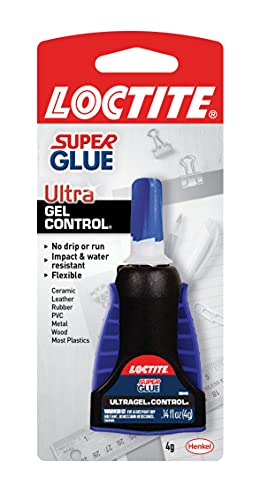
Brand: Loctite. This gel-based formula resists dripping, making it suitable for vertical wood repairs and crafts where precision matters. The side-squeeze bottle provides maximum control, enabling small, accurate applications for joints, dowels, or repair spots. Best for: detailed wood bonding, small parts, and projects requiring precise adhesive placement. Caution: ensure surfaces are dry and free of oil for best results; gel may take up to 24 hours to reach full strength in some applications.
Gorilla Super Glue Gel XL

Brand: GORILLA. This gel is thicker than standard liquids, designed for vertical surfaces and precise repairs. The anti-clog cap helps prevent mess and waste, while Impact-Tough technology improves impact resistance. Best for: small wood components, crafts, and projects where a small, neat bead is needed. Limitation: larger, structural wood joints may require longer clamping or curing times than thin-film bonds.
WOUSEDO 12 X 3g Super Glue Liquid

Brand: WOUSEDO. This set includes 12 individual 3g tubes, ideal for controlled use and sharing in workshops. It bonds wood quickly and dries clear, suitable for a wide range of materials including wood, plastic, metal, and glass. Best for: DIY enthusiasts who want a ready-to-use supply and predictable application. Caution: avoid moisture and oils on surfaces to prevent premature curing; wear gloves and protect the work area.
Buying Guide
What glue type is best for wood projects?
For wood, cyanoacrylate (super glue) variants offer fast set times and good adhesion on small joints, cracks, and crafts. For larger, load-bearing joints or outdoor use, polyurethane or PVA-based wood glues may be more appropriate, though they are not the focus of this guide.
When should you choose a gel vs. liquid?
Gel formulations minimize running on vertical surfaces or inclined joints. Liquid glues are often faster for flat joints but can run. Choose gel for precise placement; choose liquid for quick, broad bonding.
What environmental factors matter?
Water exposure, humidity, and heat affect bonding strength. Waterproof and weather-resistant options are best for outdoor or humid environments, while indoor projects benefit from standard strength bonds.
How important is cure time?
Consider both handling time and full cure. Some glues set in seconds but reach full strength in 24 hours. Drying times vary by formula; plan work accordingly to avoid stress on the bond.
Is clamping necessary?
Some bonds require clamping to ensure tight contact during curing, especially larger wood joints. Gel formulations may reduce need for clamps in small repairs, but clamping can improve long-term strength for critical joints.
Safety considerations
Work in a well-ventilated area. Avoid skin contact; wear gloves if needed. Use protective eyewear and clean spills promptly to prevent bonding of unintended surfaces.
Summary tips for selecting a product
- Best for outdoor use: Gorilla Ultimate Waterproof Wood Glue.
- Best for precision on wood: Gorilla Super Glue Gel XL and Loctite Ultra Gel Control.
- Best value for multiple small repairs: WOUSEDO 12 x 3g set.
- Best for seamless furniture repairs: Wood Super Glue Liquid for Wood Crafts.
FAQ
- Can these glues bond wood to metal effectively?
Yes, several of the listed products bond wood to metal, though performance varies by surface condition and joint design. - Do these glues require clamps?
Some joints benefit from clamping; others with gel formulas may not require it for small repairs. - Are these glues waterproof?
Several options are waterproof or water-resistant, suitable for moist environments or outdoor use. - How long before a bond is fully cured?
Most bonds reach handling strength within seconds to minutes, with full cure commonly within 24 hours. - Is there a risk of yellowing or staining on light wood?
Some glues dry to a natural tan or clear finish; consider finishing to match wood tone. - What safety precautions should I follow?
Work in a ventilated area, wear gloves if needed, and keep away from skin and eyes during application.