
Stirling engine generators blend classic thermodynamics with compact, educational design. This guide highlights five popular Stirling-based generators that demonstrate the principles of heat-to-electricity conversion in accessible forms. Each product features a built-in LED or light-up display to visualize energy output, making them ideal for classrooms, offices, or hobby setups. Below, you’ll find quick-reference details and a buying guide to help compare performance, materials, and ease of use.
| Product | Brand | Highlights |
|---|---|---|
| Sunnytech Hot Air Stirling Engine Motor Electricity Generator Educational Colorful LED SC (SC011) | Sunnytech | Multicolor LED, aluminum parts, easy operation |
| Sunnytech Hot Air Stirling Engine Motor Model Imagination Development Educational Toy Electricity Generator Colorful LED SC (SC02M) | Sunnytech | Balance design, quiet operation, robust finish |
| Pktiugf Stirling Engstirling Engine Kit (6.3×3.1×4.3 Inches) | Pktiugf | Compact L-shaped design, built-in generator, hands-on learning |
| Keetopteep Hot Air Stirling Engine Motor Education Model Electricity Power Generator LED Lights Kit Teaching Stirling Engine Kit (KTP01) | Keetopteep | Zinc alloy body, lever and crank mechanisms, visually striking |
| PUOSUO Hot Air Stirling Motor Power Generator Alpha Engine Model with LED Lights Kit Teaching Stirling Engine Kit (D) | PUOSUO | 12.5mm power cylinder, bright LED display, durable build |
Sunnytech SC011: Multicolor LED Stirling Engine Generator

The Sunnytech SC011 model is a compact hot-air Stirling engine designed to demonstrate electricity generation from heat. The aluminum bottom plate and CNC-finished frame emphasize durability and precision. A multicolor LED is powered by the engine, creating a visual link between heat input and electrical output. To operate, fill the alcohol burner with 95% alcohol and preheat the cylinder; after 60–100 seconds, a gentle push of the flywheel starts the engine. The kit suits educational setups, STEM demonstrations, and hobbyist displays.
Sunnytech SC02M: Stable, Quiet Stirling Engine with LED
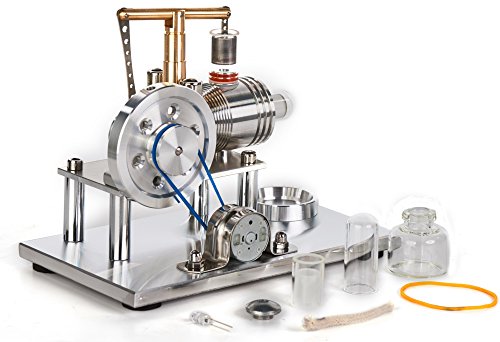
The Sunnytech SC02M emphasizes a balance-style design, delivering stable, quiet operation at speeds around 1700 RPM. A multicolor LED on the motor lights as heat powers the generator, offering a clear, engaging visualization of energy conversion. The device uses a thick-glass heating cylinder and metal components with surface treatments to resist rust. With proper alcohol fuel and simple preheating, users can observe a consistent drive of the flywheel for educational demonstrations and curiosity-driven learning.
Pktiugf Stirling Eng: L-Shape Mini Generator Kit

The Pktiugf model features a distinctive L-shaped aluminum-and-stainless-steel construction, delivering a visually striking centerpiece for desks or workshops. It includes a built-in generator that converts heat to motion and electricity, making it a practical demonstration tool for thermodynamics. Preheating the cylinder for 30 seconds and a quick wheel spin start the engine, supporting hands-on STEM learning for classrooms and enthusiasts alike.
Keetopteep KTP01: Compact LED Stirling Engine

Keetopteep’s KTP01 adopts a zinc-alloy body with an electroplated finish for a metallic look and robust feel. It uses a lever and crank-rocker mechanism to deliver a mechanical, visually engaging motion, powering a small LED output. This model emphasizes compact design and reliability, offering a balance between aesthetic appeal and functional demonstration of thermodynamics in action.
PUOSUO Alpha Engine: LED-Powered Generator

The PUOSUO Alpha Engine integrates a 12.5mm power cylinder with a 15mm stroke piston to drive a generator that lights a multicolor LED array. Designed for classroom demonstrations and hobby use, it highlights how heat input results in visible electrical activity. The robust zinc alloy construction ensures durability for extended learning sessions and display purposes.
Buying Guide
- Purpose and setting: Choose a model suited for education, demonstrations, or decorative display. Consider whether you need a compact desktop unit or a more robust, heavier model.
- Materials and durability: Look for engines with a metal frame and corrosion-resistant finishes. Zinc alloy bodies and thick glass cylinders tend to offer longevity and stability in use.
- Power output and LED features: If visual feedback is important, prioritize units with multicolor LEDs or bright LED displays. Consider whether the generator’s output meets your demonstration needs.
- Ease of operation: Preassembly, simple ignition, and quick start mechanics reduce setup time and improve consistency in demonstrations.
- Maintenance and fuel: Most kits use alcohol burners (95% ethanol or similar). Ensure safe handling, proper ventilation, and availability of compatible fuel.
- Educational value: For classrooms, select models with clear mechanical explainers, visible gears, and accessible components to facilitate teaching thermodynamics.
- Price-to-value balance: While these are educational tools, higher-end models with precision machining may offer more durability and smoother operation over time.
Across the reviewed products, each unit demonstrates the core principle: heat input drives mechanical motion which is converted to electrical energy with LED feedback. Students and hobbyists can compare ignition speed, RPM, stability, and visual output across designs—from compact L-shaped builds to balanced, high-precision assemblies. When selecting a Stirling engine generator, align the choice with intended use, space, and learning objectives to maximize educational impact.