
The best steel for forging knives depends on your forging goals, experience level, and project type. This guide highlights five USA-friendly options designed for knifemakers, hobbyists, and professionals who want reliable, workable steel for blanks and forged blades. Each choice is evaluated for hardness, machinability, heat-treat compatibility, and practical limits. The buyer’s intent is addressed with clear “best for” guidance and potential trade-offs.
Product snapshot for quick reference:
| Product | Steel Type | Best For | Format |
|---|---|---|---|
| ZAVOOS 4 Pack 1095 | 1095 High Carbon | Handmade blades, beginners to intermediate | 12″ x 1.5″ x 0.12″ |
| Patriot Steel 1095 CRA 4 Pack | 1095 High Carbon, Annealed | Short-run projects, beginners | 12″ x 1.5″ x 0.125″ |
| Patriot Steel 5160 4 Pack | 5160 High Carbon | Tough outdoor blades, heavy-use | 12″ x 1.25″ x 0.25″ |
| Patriot Steel 1095 CRA 4 Pack | 1095 High Carbon | Forging and heat treating blends | 12″ x 1.5″ x 0.187″ |
| SALUINOKI 4pcs 1095 | 1095 High Carbon | DIY blades, intermediate makers | 12″ x 1.5″ x 0.12″ |
ZAVOOS 1095 Steel Flat Stock – 12″ By 1.5″

Best for: hobbyists and DIY knifemakers who want good machinability and reliable edge-holding. ZAVOOS uses 1095 high-carbon steel, known for hardening and wear resistance, with elasticity that helps blades resist deformation during forging.
- High hardness and wear resistance support durable blades.
- Annealed, improving machinability and reducing tool wear during shaping.
- Versatile for blades, hand tools, spacers, and functional blanks for indoor/outdoor use.
Caution: 1095 can be prone to rust if not properly protected; ensure adequate oiling and seasoning in final blades. Best for users comfortable with basic heat treatment and finishing steps.
Patriot Steel 1095 High Carbon CRA Flat Bars – USA-Milled

Best for: knifemakers seeking ready-to-forge blanks with reduced prep time. CRA (Cold Rolled Annealed) material improves machinability and minimizes sanding belt wear while maintaining good edge readiness after forging.
- USA-milled 1095 steel for consistent performance.
- Annealed blanks shorten prep before forging and heat treating.
- Ideal for bladesmiths creating starter blades or custom designs.
Limitation: The CRA process reduces some surface work friction but may still require careful finishing depending on your grind plan. Choose this if you want faster setup and less prep time.
Patriot Steel 5160 High Carbon – USA-Milled

Best for: projects requiring toughness and resilience, such as outdoor or heavy-use knives. 5160 is known for impact resistance and strong performance in blade designs that demand durability.
- High-carbon 5160 steel offers excellent toughness for heavy-duty blades.
- Consistent USA-milled production supports uniform heat-treat results.
- Suitable for a wide range of forging methods and finishes.
Limitation: Heavier steel with greater work hardening may require more effort during grinding and heat treating. Choose this if your blade needs durability in demanding conditions.
Patriot Steel 1095 CRA 12″x1.5″x.187″ – 4 Pack

Best for: makers wanting a balance of edge retention and grindability with reduced prep time.CRA enables easier machining while maintaining the performance of 1095 steel after heat treatment.
- CRA 1095 steel reduces sanding belts usage during shaping.
- Milled in the USA for consistent results across batches.
- Versatile for starter blades and custom forging projects.
Limitation: Longer or thicker blades may require additional stock removal time during shaping; plan several passes with progressive grits for best results.
SALUINOKI 1095 Steel Flat Stock – 4 Pack

Best for: makers seeking a reliable 1095 option with multiple blanks for experimentation or learning curves. SALUINOKI focuses on 1084/1095 and similar steels for knife making.
- Pack includes multiple blanks for trial projects and practice.
- 1095 steel provides good edge retention after heat treatment.
- Suitable for a range of forged blade styles from kitchen to tactical.
Caution: Data notes focus on material type; ensure proper heat treatment and protective finish to maximize corrosion resistance in final blades.
BRULVVR 1084 High Carbon (Optional Reference)
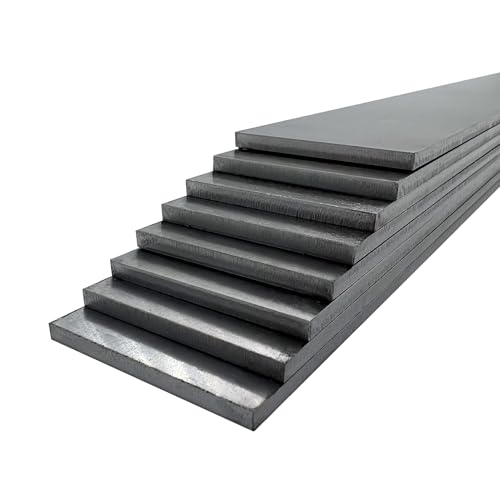
Best for: professionals exploring variations in carbon content and forgeability. The 1084 grade offers a different balance of hardness and workability compared to 1095.
- Lower manganese than 1095 can influence differential hardening and blade geometry.
- Damascus compatibility when stacked with other steels for layered blades.
Buying Guide: Key Considerations For Knife-Making Steels
- What steel grade should you choose?
- 1095 is a classic high-carbon option offering good edge retention with straightforward heat treatment. Best for beginners and intermediates plus general-purpose blades.
- 5160 excels in toughness for large outdoor or combat-style blades requiring impact resistance.
- CRA (Cold Rolled Annealed) variants improve machinability and reduce prep time, but you must still heat treat to reach desired hardness.
- Why choose cold-rolled vs hot-rolled?
- Cold-rolled and annealed blanks typically provide smoother machinability and faster prep for forging, saving time on sanding and shaping.
- Hot-rolled stock can be tougher to machine but often has different grain structures that can benefit certain blade geometries after heat treatment.
- Stock dimensions:
- 12″ length is standard for many blanks; width around 1.5″ accommodates typical handle scales and blade geometries.
- Thicker stock (e.g., 0.25″) is better for heavy-use knives but requires more forging effort and grind time.
- Finish and corrosion considerations:
- High-carbon steels require oiling or protective finishes to prevent rust; consider stainless options if corrosion resistance is critical.
- Heat treatment compatibility:
- 1095 and 5160 respond well to standard oil- or water-quench heat-treat, but exact temperatures depend on the blade design and tool setup. Always follow established heat-treatment profiles for safety and performance.
Frequently Asked Questions
- What is the best steel for beginners in knife making?
1095 high-carbon steel is commonly recommended due to its straightforward heat treatment and good edge retention, especially for learning blade forging and finishing techniques.
- What does CRA mean and why consider it?
CRA stands for Cold Rolled Annealed. It improves machinability and reduces prep time, making it attractive for hobbyists who want quicker turnaround on blades.
- Is 5160 steel suitable for kitchen knives?
Yes, but it is especially favored for heavy-duty outdoor and utility blades due to its toughness and impact resistance.
- How thick should blade stock be for a kitchen knife?
Common kitchen blade stock ranges from 0.12″ to 0.187″. Thinner stock allows finer grinds, while thicker stock supports stronger blades and robust blade geometries.
- What maintenance is required after forging?
After forging, heat treat as recommended, then harden and temper. Apply protective finishes or oil to prevent rust, especially on high-carbon steels.
- Should I buy multiple blanks or a single larger batch?
Multiple blanks are beneficial for practicing different blade styles and testing heat-treat results without risking a single piece to mistakes.