
Finding the best stain for pressure treated decks requires balancing color, UV protection, moisture resistance, and ease of application. The top products below are well-suited for outdoor wood used in decks, fences, and siding, with options ranging from semi-transparent water-based formulas to oil-based sealers. This guide highlights who each product is best for, plus practical considerations to help you choose.
Overview of selected products:
| Product | Best For | Finish | Volume |
|---|---|---|---|
| SaverSystems #1 Deck Premium Semi-Transparent (Dark Walnut) | People wanting deep color with natural grain visible | Semi-transparent | 1 gallon |
| SaverSystems #1 Deck Premium Wood Stain (Cedar) | Decks and fences needing subtle warmth | Semi-transparent | 1 gallon |
| Ready Seal Exterior Wood Stain (Natural Cedar) | Professionals seeking goof-proof application | Semi-transparent oil-based | 5 gallons |
| Ready Seal Exterior Wood Stain (Pecan) | Popular neutral wood tones for various exteriors | Semi-transparent oil-based | 1 gallon |
| Storm System Protector (Black Walnut) | Versatile protection for multiple substrates | Semi-transparent | 1 gallon |
SaverSystems #1 Deck Premium Semi-Transparent (Dark Walnut) — 1 Gallon
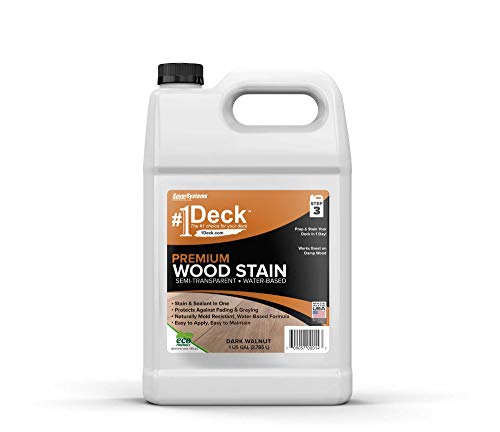
Best for: Homeowners who want a natural wood look with color depth. This water-based stain and sealer in one preserves grain while adding rich dark walnut color. It provides UV protection to reduce fading and graying, and its low-VOC content makes it a safer choice for outdoor use on decks, fences, and siding.
Why selected: Combines stain and sealer in a single coat, reducing steps while delivering durable protection. Deep penetration into wood pores helps longevity, making it a strong all-around option for pressure treated decks.
Limitations: Being water-based, it may require a second coat on very porous or rapidly drying woods in hot conditions. Follow recoat timing recommendations for best results.
SaverSystems #1 Deck Premium Wood Stain (Cedar) — 1 Gallon
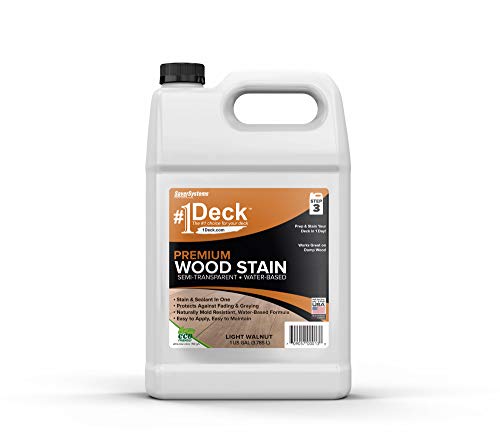
Best for: Decks and fences that benefit from a warm cedar tone without hiding grain. This semi-transparent formula emphasizes natural texture while providing UV protection and sealant properties in one coat.
Why selected: It offers a balanced look with durable UV shielding. The water-based formula keeps VOCs low, making it a planet-friendlier option among traditional oil-based stains.
Limitations: Light cedar shades can show weathering more noticeably on very gray woods; periodic maintenance may be needed to maintain uniform color.
Ready Seal Exterior Wood Stain (Natural Cedar) — 5 Gallon

Best for: Professionals or DIYers needing a goof-proof, large-volume option with dependable durability. This oil-based semi-transparent stain and sealer in one is designed to resist cracks, chipping, and moisture while providing UV protection.
Why selected: Can be used on decks, fences, siding, pergolas, and other exterior wood surfaces. The 5-gallon size reduces frequent purchases for larger projects and helps ensure color consistency across extended jobs.
Limitations: Oil-based formulas may require longer clean-up and may have stronger odors during application and curing compared to water-based products.
Ready Seal Exterior Wood Stain (Pecan) — 1 Gallon

Best for: Those who want a classic, medium-toned tan that complements many exterior wood tones. This semi-transparent oil-based formula protects while adding color and sealing in one pass.
Why selected: It provides durable moisture resistance and UV protection, suitable for decks, fences, and siding. The color tone tends to hide some minor imperfections while preserving wood texture.
Limitations: Oil-based finishes can darken over time with exposure to the sun; maintenance coats may be needed to refresh color evenly.
Storm System Protector (Black Walnut) — 1 Gallon
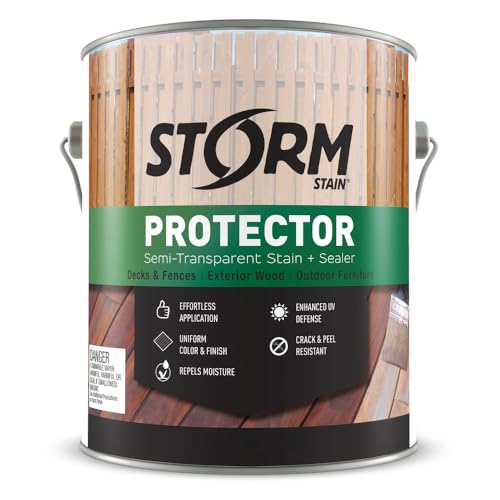
Best for: Versatile exterior wood protection on siding, decks, and fences. The semi-transparent stain and sealer delivers wood grain visibility with robust waterproofing and UV protection.
Why selected: Suitable for a range of wood substrates including pressure-treated lumber. The product aims to balance color retention with grain visibility, making it a flexible choice for mixed outdoor projects.
Limitations: As with many semi-transparent finishes, shade variability can occur between batches; test a small area first for uniformity.
Buying Guide
Key considerations when choosing a stain for pressure-treated wood:
- Finish type: Semi-transparent stains preserve wood grain; solid stains provide more color but cover texture.
- Base formula: Water-based options tend to be easier to clean up, low-VOC, and quicker to dry; oil-based options often offer longer-lasting protection but require solvents for cleanup.
- UV and moisture protection: Look for products that advertise UV protection and moisture resistance to prevent fading and cracking on pressure-treated lumber.
- Application and recoat: Some formulas are labeled as “stain and sealer in one,” which simplifies application. Note recoat windows and necessary surface preparation.
- Volume and project scope: Larger projects benefit from 5-gallon containers or matched color sets to ensure consistency across areas.
- Environmental and safety considerations: Consider VOC content, especially for outdoor projects with exposure. Low-VOC water-based stains are generally more eco-friendly.
Frequently Asked Questions
- What is the difference between water-based and oil-based deck stains?
Water-based stains dry quickly, have lower odor and VOCs, and are easier to clean up; oil-based stains often offer deeper color and longer-lasting protection but require mineral spirits for cleanup. - Can I stain pressure-treated wood without sanding?
In most cases, light cleaning and surface preparation are sufficient, but a light sanding can improve adhesion and ensure uniform color. - How often should I re-coat pressure-treated decks?
Re-coating intervals depend on product and climate, but many semi-transparent stains are reapplied every 2–4 years for best protection. - Is a stain-and-sealer-in-one product better than separate products?
Stain-and-sealer-in-one is convenient and time-saving, but separate products can allow tailored color and protection choices for each layer. - Should I apply stain in direct sun or shade?
Follow the product’s instructions; some formulas can be applied in direct sun, but surface temperature and drying time affect results.