
Find the right sound proof insulation for your room, home studio, or vehicle. This guide highlights five effective options and explains who they’re best for, how they perform, and what to watch out for. Ideal buyers include home studio builders, podcast creators, apartment dwellers seeking reduced noise, and car owners aiming to quiet engine and road sounds. The table below compares each top pick at a glance so you can compare density, installation, and practical use quickly.
| Product | Best For | Key Benefit | Limitations |
|---|---|---|---|
| SD SODOCT Pyramid Acoustic Panels | Home studios, small rooms | High NRC with pyramid diffusion for dense sound absorption | Limited color/style options |
| Focusound 52 Pack | Home offices, studios, classrooms | Wide coverage with adhesive sheets for easy install | Higher quantity may feel bulky in small spaces |
| KOIKEY Car Sound Deadening Mat | Vehicle interiors | Dense foam plus heat-reflective foil reduces road noise and heat | Not a wall-based solution; car-only use |
| Kaqiluo Self-Adhesive Foam | Rooms with moisture concerns | High-density, flame- and water-resistant foam | Limited thickness options |
| Saiqiang Acoustic Panels | Studios and home theaters | High-density panels for clear voice capture | Wedge foam may require mounting planning |
SD SODOCT Pyramid Acoustic Panels

Best for rooms requiring strong diffusion and absorption in a compact footprint. The pyramid design increases surface area, boosting sound diffusion and overall absorption. These panels are crafted from high-grade acoustic foam and are flame-retardant, aligning with safety standards. Ideal for recording studios, home theaters, and offices looking to reduce echo and reverberation while maintaining a modern aesthetic.
Who it’s best for: small studios and space-conscious shoppers who want both function and style. Why selected: combines high absorption with a decorative look and safety features. Caution: installation placement matters; ensure even coverage to maximize benefits.
Focusound 52 Pack Acoustic Foam Panels

Best for larger rooms or shared spaces where extensive coverage is beneficial. This set includes 52 panels with triangular grooves that improve noise absorption, aiming to cut reverberation and flutter echoes. An included 300-piece double-sided adhesive kit simplifies installation and wall protection. If panels deform, the quick-recovery tip helps restore shape through a brief soak and air-dry period.
Who it’s best for: home studios, offices, and classrooms needing quick, wide-area sound dampening. Why selected: high-density foam and adhesive accessories improve ease of use and acoustic performance. Caution: the large quantity may be more suitable for bigger rooms or repeated installations.
KOIKEY Car Sound Deadening Mat

Best for car interiors where reducing road noise and heat transfer matters. This kit includes eight pieces totaling 8.7 square feet of closed-cell foam with aluminum foil heat shielding. It’s designed to lower interior noise by dampening vibrations and can reflect heat away from critical areas. Suitable for DIY installations on engine bays and wheel wells.
Who it’s best for: vehicle owners who want quieter drives and less heat soak. Why selected: combines dense sound-deadening foam with reflective foil for heat management. Caution: strictly a vehicle application; not a wall insulation product.
Kaqiluo Self-Adhesive Foam Panels
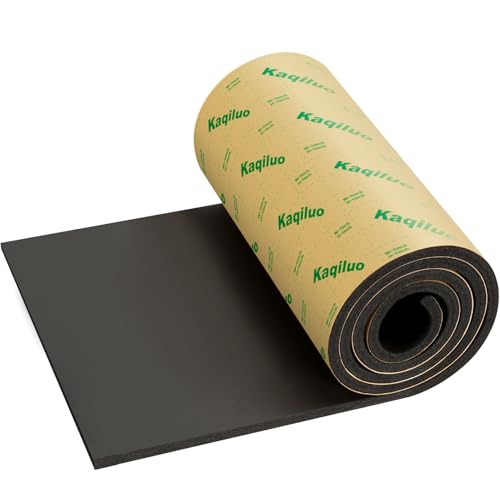
Best for rooms needing a compact, moisture-resistant solution. These self-adhesive panels are high-density and designed to resist fire and water exposure. They help reduce noise, flutter echoes, and reverberations while providing solid airflow resistance. They’re suitable for walls in living spaces, studios, or offices where surface moisture is a consideration.
Who it’s best for: damp or humid spaces that still require sound control. Why selected: flame/water resistance adds a safety margin. Caution: available thickness may limit low-frequency absorption compared to thicker options.
Saiqiang Acoustic Foam Panels
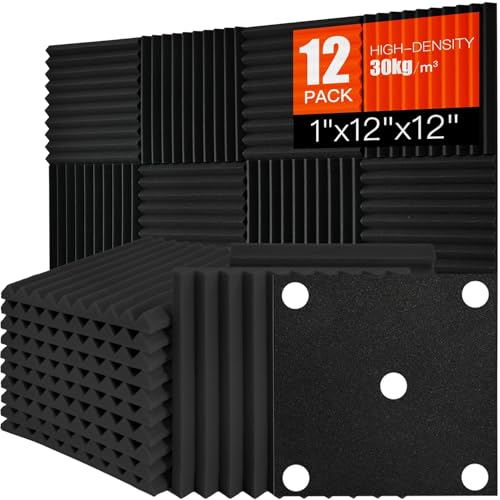
Best for studios and home theaters needing clear voice capture and reduced reverberation. These high-density panels manage reflections effectively, supporting a controlled acoustic space for recording, podcasts, and video production. They are fire-safe and designed for wall mounting in studios and entertainment rooms.
Who it’s best for: creators and broadcasters seeking professional-grade sound control. Why selected: strong absorption with fire safety considerations. Caution: wedge shape may require planning for optimal coverage in irregular rooms.
Buying Guide: Key Purchase Considerations
- Room size and intended use: Smaller spaces benefit from higher NRC and dense panels; larger spaces may need more coverage or thicker panels.
- Mounting method: Self-adhesive options are quick and renter-friendly; some setups may need adhesive, tape, or framing for best results.
- Frequency coverage: Low-frequency absorption often requires thicker or specifically designed bass-trapping materials; most consumer panels target mid/high frequencies.
- Durability and safety: Flame-retardant materials and moisture resistance are important in home theaters, studios, or damp environments.
- Installation aesthetics: Pyramid, wedge, or flat designs offer different aesthetics; align with room decor and acoustic goals.
- Cost-to-performance: Consider how many panels are needed to achieve the desired reduction in echo and reverberation.
FAQ
- What determines the effectiveness of sound proof insulation panels? – The Noise Reduction Coefficient (NRC) and panel density primarily influence absorption, diffusion, and low-frequency control.
- Can I install these panels myself? – Yes. Many options include self-adhesive backing or simple mounting methods for DIY installation.
- Are foam panels safe in homes with kids or pets? – Look for flame-retardant and non-toxic foam certifications; follow installation guidelines to avoid loose panels.
- Do I need to soundproof an entire room or just reduce echoes? – For rooms with multiple reflective surfaces, broader coverage yields more noticeable improvements; smaller spaces can benefit from targeted placement.
- Will these panels fix all noise problems? – They reduce echo and reverberation but may not block external noise; heavier mass barriers or door/window sealing may be needed for that purpose.