
For boats, RVs, and other marine setups, durable, high-efficiency solar panels can deliver steady battery power even in challenging conditions. This guide highlights top marine-ready panels that balance efficiency, resilience, and portability. Each option is designed to withstand sun, spray, wind, and salt while maximizing energy capture on decks, roofs, or cabins. Explore the selections below to find the right balance of performance and practicality for your marine application.
Summary of Selected Products
| Product | Brand | Key Strengths |
|---|---|---|
| Renogy ShadowFlux 400W Panel Pair | Renogy | Anti-shading tech, 25% efficiency, compact design |
| Renogy 200W 24V Solar Panel | Renogy | EL-tested, durable frame, high wind/snow tolerance |
| Anker SOLIX PS100 100W | Anker | Adjustable angles, IP67 waterproof, high efficiency |
| Renogy 50W 12V Solar Panel | Renogy | Compact, durable, versatile for off-grid use |
| RVPOZWER 100W 18BB Panel | RVPOZWER | 18BB cells, robust build, long life |
Renogy ShadowFlux 400W Twin Panels For RV And Marine

Renogy’s ShadowFlux Anti-Shading Technology enhances power generation even when portions of the panel are shaded by rigging, masts, or nearby obstacles. The 400W configuration uses N-Type cells with 16BB technology, delivering up to 25% efficiency and reduced hot-spot risk. Its smaller, more compact footprint compared with typical PERC panels makes it well-suited for limited deck space on boats or RV rooftops. The system also emphasizes longevity with features designed to minimize micro-cracks and heat-related degradation, supporting longer service life in marine environments.
Renogy Solar Panel 200 Watt 24 Volt For Marine And RV

This 200W Renogy panel uses advanced encapsulation, multi-layer laminations, and EL testing to minimize hot-spot risk and ensure robust performance in harsh marine settings. Bypass diodes help limit power loss due to shade, while a corrosion-resistant aluminum frame and anti-reflective tempered glass enhance durability and efficiency. The panel is designed for compatibility with off-grid inverters and is ground-mount capable, making it a solid option for boats with flexible mounting choices on deck or hull surfaces.
Anker SOLIX PS100 100W Foldable Solar Panel

Anker’s SOLIX PS100 offers up to 23% conversion efficiency with monocrystalline cells and a foldable, portable design. Its four-angle set (30°, 40°, 50°, 80°) supports precise sun-facing adjustments for varying marine conditions, ensuring optimal charging during different voyage routes. The IP67 waterproof rating protects the panel in spray or rain, making it a versatile choice for boats, campers, and emergency backup power on the water.
Renogy 50W 12V Solar Panel For Marine Use

This compact 50W panel is ideal for small marine setups or as a supplementary charging option. It features advanced encapsulation for longevity, EL-tested cells to minimize hot spots, and a corrosion-resistant aluminum frame. The anti-reflective tempered glass improves efficiency, and the panel’s compact size makes it easy to install on cabin tops or rail sections where space is limited, while still providing dependable performance for backup power and essential electronics.
Rvpozwer 100W 18BB N-Type Marine Panel
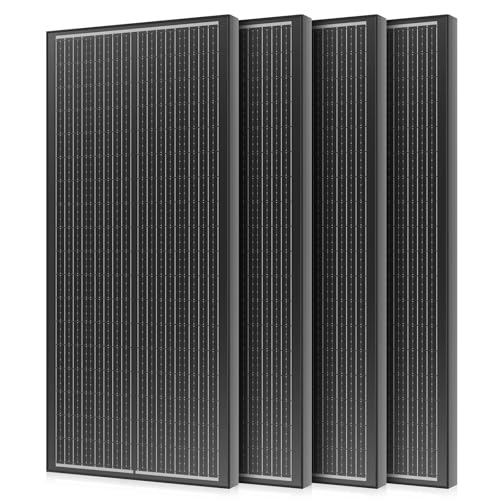
Rvpozwer’s 100W panel uses 18BB N-type solar cells designed for higher efficiency and lower hot-spot risk. The panel’s sturdy construction includes a corrosion-resistant aluminum frame and tempered glass, with IP68-rated junction boxes for marine-grade protection. It’s built to withstand wind and snow-like pressures on open decks and rooftops, aiming for a long service life in harsh maritime conditions. It pairs well with mid-sized battery banks for RVs, boats, and other off-grid marine applications.
Buying Guide: Key Considerations For Marine Solar Panels
- Durability in a marine environment: Look for corrosion-resistant frames, tempered glass, and IP ratings to withstand salt spray, humidity, and spray. A robust junction box and weather sealing extend panel life on boats and RVs.
- Efficiency and cell technology: N-Type or high-efficiency cells (16BB, 18BB) reduce heat-related degradation and improve performance in partially shaded or diffuse light conditions common on decks and rigging.
- Shading tolerance: Anti-shading technology and bypass diodes help maintain output when parts of the panel are shaded by sails, masts, or equipment, a frequent occurrence on moving vessels.
- Size, weight, and mounting flexibility: Marine installations benefit from compact, lightweight panels that fit cabin tops and railings. Foldable or blanket formats offer portable options for temporary setups or emergency charging.
- System compatibility: Consider input voltage (12V vs. 24V), inverter types, and charge controller compatibility. Panels should align with existing battery banks and power needs for reliable marine operation.
- Warranty and service life: A longer warranty and proven field performance under salt air and vibration are important. Check for EL testing and verified durability under marine standards.
- Portability vs. permanence: Fixed deck mounts require sturdier hardware, while foldable or portable panels offer flexible deployment for onshore charging or temporary installations during trips.