
When building an off-grid or hybrid power setup, a sine wave inverter with a built-in charger is essential for reliable power. The following five models deliver true sine wave output, robust charging options, and smart monitoring features. This guide compares key specs, wiring convenience, and device compatibility to help you choose the right unit for RVs, cabins, boats, or home backup systems.
Summary of chosen products
- LANDERPOW 3000W Pure Sine Wave Inverter with 30W USB-C and remote control
- Renogy Inverter PUH 3000W Pure Sine Wave with UPS Transfer Switch & Bluetooth
- Renogy REGO 3000W Pure Sine Wave Inverter Charger with LCD and Bluetooth
- Victron Energy MultiPlus-II Pure Sine Wave Inverter Charger
- ECO-WORTHY 3000W 12V Pure Sine Wave Inverter Charger with UPS mode
LANDERPOW 3000W Pure Sine Wave Inverter

The LANDERPOW unit delivers 3000W continuous pure sine wave power with a 6000W surge capacity, suitable for heavy startups like microwaves, power tools, and RV appliances. It is designed to protect sensitive electronics with high efficiency (>91%) and reduced conversion loss. It includes three AC outlets, USB-C 30W, USB 5V 3.1A, a hardwire port, and a remote control, making it versatile for both mobile and stationary setups. The inverter emphasizes reliability for off-grid, solar, and emergency use, with a focus on minimizing hum and flicker in inductive loads.
Key features in brief include grid-quality power output, protection for inductive loads, and user-friendly connectivity for RVs or homes. The included remote enhances control during operation, while USB-C fast charging supports modern devices. Overall, this model targets heavy-duty, everyday reliability with practical connectors for field use.
Renogy PUH 3000W Pure Sine Wave Inverter with UPS Transfer Switch

Renogy’s PUH 3000W inverter combines pure sine wave output with an integrated UPS transfer switch and Bluetooth connectivity. The on-grid transfer switch lets users move seamlessly between shore power and battery power, minimizing downtime. Built-in Bluetooth and a wired remote switch enable remote monitoring and control via the Renogy App, providing convenient status checks and management from a distance. Efficiency is highlighted with a typical >92% inverter efficiency and standby consumption below 18W, helping to conserve energy in RVs, campsites, or off-grid cabins.
With three AC outlets and a remote-monitoring setup, this model is well-suited for users who need dependable power for appliances, electronics, and laptops, all while maintaining the ability to monitor and adjust settings via mobile devices. The UPS feature is particularly valuable for sensitive loads that require continuous power during grid outages.
Renogy REGO 3000W Pure Sine Wave Inverter Charger

The REGO model provides 3000W continuous pure sine wave output with a peak rating up to 9000W and efficiency above 90%. It supports standard and lithium battery chemistries, and a user mode allows charging customization. A built-in Bluetooth interface enables monitoring through the Renogy App, and compatibility with Renogy ONE M1 & Core enables broader energy management. The unit’s flexibility makes it a strong option for both fixed installations and mobile setups where battery types may vary or evolve over time.
Notable strengths include adaptability to multiple battery types (including Li-ion and SLA variants), a high peak rating to handle short surges, and an emphasis on user-configurable charging. The Bluetooth feature supports convenient remote oversight in complex systems with multiple power sources or storage banks.
BESTEK Pure Sine Wave 300W Car Inverter
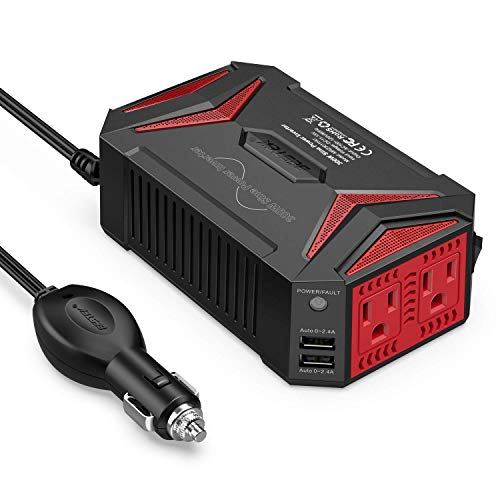
BESTEK offers a compact 300W pure sine wave inverter designed for vehicle use, featuring two AC outlets and two USB ports for charging multiple devices. While smaller than the 3kW units, this model demonstrates how sine wave technology scales across applications—from car travel to cabin setups where limited load is expected. The unit emphasizes safety with over-temperature protection and a rugged aluminum housing, making it suitable as a portable power source for laptops, cameras, medical devices, and other delicate electronics. It’s a practical option for travelers and light-use environments.
Although limited in wattage compared to high-capacity inverters, the BESTEK model excels in portability, heat dissipation, and USB charging flexibility. It complements larger systems by providing a reliable, compact power source for on-the-go needs or as a backup charger for smaller critical devices.
BESTEK 500W Pure Sine Wave Inverter
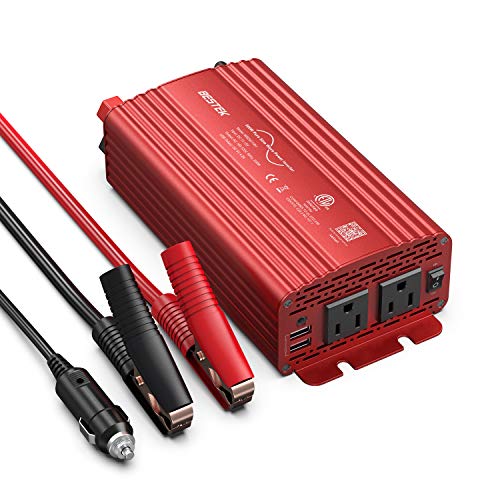
This 500W unit from BESTEK expands the wattage range with dual USB charging ports and 2 AC outlets. Its 12V DC input and pure sine wave output are intended for sensitive electronics, radios, and appliances used in off-grid or emergency situations. The inverter includes protective features like overheat protection and fusing for safety in mobile or stationary setups. The compact design makes it a sensible upgrade for users who want more headroom than a 300W unit while staying portable and simple to install.
The 500W inverter is suited for charging tools, laptops, lighting, and small appliances in cabins, RVs, or boats. Its feature set prioritizes reliability, user-friendly use, and compatibility with a variety of electronics that benefit from a clean sine wave.
Renogy PUH 2000W Pure Sine Wave Inverter

Renogy’s PUH line also includes a 2000W option with similar features: UPS transfer switch, Bluetooth monitoring, and robust efficiency. The 2000W unit is appropriate for mid-range power needs in RVs or off-grid homes, offering reliable conversion and an integrated monitoring experience. The UPS transfer switch remains a core asset, reducing downtime during transitions between power sources and ensuring that critical loads stay powered during outages.
With a focus on user control, efficiency, and compatibility with Renogy’s monitoring ecosystem, the PUH 2000W is a practical choice for users who want a balance of performance and smart features in a smaller footprint than the 3000W class.
Buying Guide: Key Purchase Considerations For Sine Wave Inverter Chargers
- Power requirements: Match continuous wattage and surge ratings to your loads. Inverter chargers should handle peak startup currents for devices like air conditioners, refrigerators, and power tools.
- Battery compatibility: Check supported battery chemistries (LiFePO4, AGM, GEL, SLA) and charging profiles. Some models offer customizable charging settings to suit battery health and maintenance needs.
- Transfer switch and PowerAssist: On-grid/off-grid transfer switches prevent power gaps. PowerAssist or Power Control features help manage loads when the main power source is limited or fluctuating.
- Efficiency and heat management: Higher efficiency reduces battery drain. Consider thermal protection, cooling design, and enclosure quality for durable long-term operation.
- Monitoring and control: Bluetooth, remote switches, and mobile apps provide visibility and remote management. Evaluate ease of setup and data accessibility for maintenance planning.
- Connectivity and outlets: Sufficient AC outlets and USB ports support diverse devices. Some models offer hardwire terminals for direct connections to panels or generators.
- Environmental suitability: Industrial-grade or marine-rated units may suit harsh environments. Verify voltage stability and frequency options (50/60 Hz) for your location.
- Installation footprint: Inverter chargers combine two functions in one unit; ensure mounting space, ventilation, and cable routing align with your installation plan.
- Warranty and service: Longer warranties and readily available support can reduce total cost of ownership in remote or critical setups.
When evaluating options, consider how you will scale your system over time. A 3000W class inverter with a robust UPS transfer feature provides more headroom for future loads, while a compact 500W or 2000W unit may suit a smaller mobile setup or a backup role. Cross-check compatibility with existing battery banks and charge controllers to ensure seamless operation and optimal longevity.