
Looking for the best silicone spray for door hinges? This guide presents clear, objective options that reduce squeaks, protect hinges, and keep doors moving smoothly. The selections focus on silicone-based lubricants designed for metal, rubber, plastic, and mixed hinge assemblies. Ideal buyers include homeowners tackling squeaky interior doors, DIY enthusiasts improving cabinet hinges, and those seeking long-lasting protective films without messy residue.
| Product | Why It’s Ideal For Hinges | Best For |
|---|---|---|
| WD-40 Specialist Silicone Lubricant | Professional-grade, clear film with quick-drying protection; compatible with metal, rubber, vinyl, and plastic. | General-use hinges and multi-material hardware |
| DuPont Silicone Surface Safe Lubricant Aerosol | Nano-ceramic particles add durability; broad surface safety including non-metal materials. | Delicate surfaces and mixed-material hinges |
| CRC Heavy Duty Silicone Lubricant | Clear, residue-free lubrication; formulated for heavy-duty applications. | Heavy-use hinges and tools |
| Qucship Door Hinge Lubricant 1 oz Needle Oiler | Needle applicator for precise, no-mess drops; excellent for tight spaces. | Small gaps and precise applications |
| Gear Hugger Multipurpose Lubricant Spray | Plant-based, no petroleum; deep-penetrating, long-lasting on metal parts. | Eco-friendly choice for multiple hinge types |
WD-40 Specialist Silicone Lubricant with Smart Straw

WD-40 Specialist Silicone Lubricant offers a versatile silicone-based formula suitable for hinges, locks, pulleys, and other metal or non-metal components. Its SMART STRAW sprays in two ways, enabling a broad or precise application. The product forms a clear, dry film that protects metal and non-metal surfaces without creating a sticky residue. Best for: homeowners who want a reliable, all-purpose solution for a variety of door hardware and small mechanical parts. Limitation: not a high-heat specialty lubricant, so apply away from extreme heat zones. This option is chosen for its balance of accessibility, ease of use, and residue-free performance.
Lemenyaa Door Hinge Lubricant – 2 OZ

Lemenyaa uses a precision, non-spray silicone oil with a built-in nozzle storage. The needle-tip design allows controlled application with minimal mess, making it ideal for squeaky hinges, locks, and cabinet tracks. Best for: small gaps and tight spaces where a precise dose reduces overspray. Limitation: 2 oz size may require more frequent reapplication for larger doors or high-use environments.
Qucship Door Hinge Lubricant – 1 oz Needle Oiler

Qucship delivers a premium needle-oil applicator designed for door hinges and locks. The product bonds to surfaces for lasting lubrication and guards against rust, corrosion, and wear. Best for: precise, quick fixes in multi-point hinge assemblies or where a fine droplet is needed. Limitation: the 1 oz size may require careful budgeting for frequent use on larger doors or multiple hinges.
CRC Heavy Duty Silicone Lubricant

CRC Heavy Duty Silicone Lubricant is a clear, colorless liquid that leaves no visible residue. It is designed for heavy-duty use on hinges and other moving parts, offering protection against friction and wear. Best for: environments demanding a clean, residue-free silicone solution. Limitation: may lack some of the advanced surface-safety features found in multi-material sprays, so test on sensitive plastics first.
Gear Hugger Multipurpose Lubricant Spray
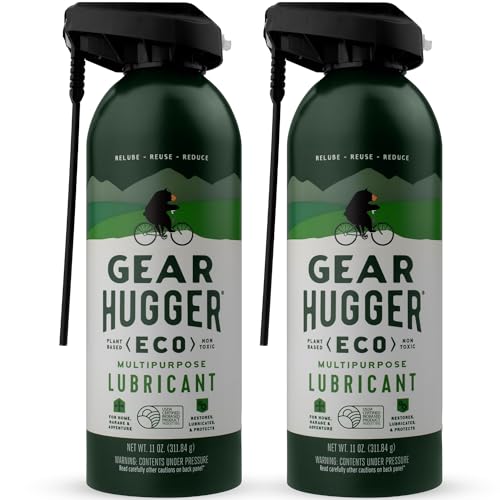
Gear Hugger offers an eco-friendly, plant-based lubricant that works on hinges, tracks, and other moving hardware. It’s designed to outlast silicone and petroleum sprays by providing longer-lasting grip and quieter operation. Best for: eco-conscious buyers seeking a versatile spray that can handle multiple tasks beyond hinges. Limitation: as a broad-use product, it may be less specialized for ultra-tight hinge mechanisms compared to needle-style applicators.
Buying Guide: Key Purchase Considerations
What hinge material are you lubricating? Metal hinges tolerate most lubricants, but some plastics or rubber components may react to certain formulas. Choose a product labeled as safe for non-metal surfaces if you have mixed-material hardware.
Do you need precision or broad coverage? Needle-tip or built-in nozzle designs help target tight gaps, while spray cans provide quick coverage for larger areas such as door tracks.
Residue and cleaning: Residue-free formulas minimize dust attraction and cleanup. If you frequently wipe hinges, choose a product with a dry film or no-sticky residue.
Environmental and health considerations: Plant-based or low-toxicity options reduce chemical exposure, especially in homes with kids or pets. Consider eco-friendly labels if sustainability matters.
Application frequency: High-use doors may require more frequent applications; select a durable formula with longer-lasting protection for busy entries.
Safety and compatibility: Always test on a small area before full application to ensure no discoloration or material incompatibility.
FAQ
- Is silicone lubricant better than oil for hinges? Silicone lubricants provide a protective film that resists water and reduces stickiness, often leaving less residue than oil-based products.
- Can I use silicone spray on wood doors? Yes, silicone sprays are generally safe on wood, provided they are used sparingly to avoid attracting dust or residue buildup.
- How often should hinges be lubricated? For high-traffic doors, every 1–3 months is typical; for low-use doors, 6–12 months may suffice.
- What if a hinge smells or sticks after spraying? Wipe away excess product and test again in a small area; ensure you’re using the correct product for the hinge material.
- Are silicone sprays safe for locks? Many are, but use precision applicators to avoid overspray into keyways and mechanisms.
- Do silicone sprays attract dust? Some formulas can attract dust if they leave a residue; residue-free or dry-film options minimize this issue.