
Answer: The sharpest pocket knives combine strong blades, reliable locking mechanisms, and practical sizes for everyday carry (EDC) or outdoor use. This guide highlights five top options, each best for different buyers—EDC helpers, tactical enthusiasts, campers, and hikers who need trusted cutting_power in compact form. Below you’ll find a quick product snapshot, detailed sections for each knife, a practical buying guide, and a concise FAQ to help you compare options quickly.
| Product | Best For | Key Feature | Why It Stands Out |
|---|---|---|---|
| Smith & Wesson Extreme Ops SWA24S | Everyday Carry | 3.1″ serrated blade | Lightweight and quick-access pocket clip |
| GOOD WORKER Pocket Knife 6680 | Compact Survival Utility | 2.95″ serrated blade, glass breaker | All-in-one tools in a small package |
| CIVIVI Mini Praxis C18026C-1 | Lightweight EDC | 2.98″ D2 steel with G10 | Excellent detent and quick one-handed use |
| Kershaw Appa | Everyday Tactical | 2.75″ reverse tanto blade | All-black look with versatile carry |
| NedFoss DA75 | Camping And Hiking | 8Cr14Mov with seat belt cutter | Integrated emergency tools in a compact design |
Smith & Wesson Accessories Extreme Ops SWA24S: Rugged EDC with Serrated Blade
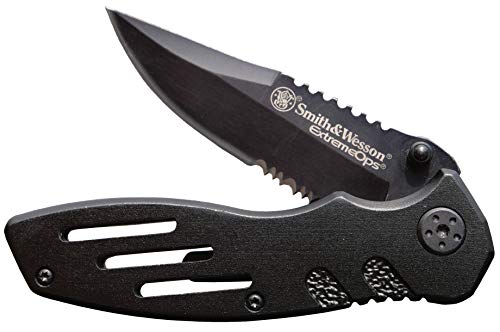
The Smith & Wesson Extreme Ops SWA24S offers a 3.1-inch serrated blade in a compact 7.1-inch overall length. Built with 7Cr17Mov black oxide stainless steel and a lightweight aluminum handle, this knife prioritizes ease of carry and dependable edge retention for everyday tasks. Its ambidextrous thumb knobs, finger flipper, and pocket clip support quick access for right- and left-handed users. Best for: EDC users who want a ready-to-go blade for routine cutting, opening packages, or light outdoor tasks. Limitation: serrated edge can be harder to sharpen precisely compared to plain edges.
GOOD WORKER 6680: All-In-One Compact Survival Knife

The Legal Pocket Knife 6680 from GOOD WORKER combines a 2.95-inch serrated blade with an aluminum ergonomic handle and a 7.17-inch overall length. It includes a seatbelt cutter and glass breaker, plus a pocket clip for easy access. Best for: those needing a compact, versatile tool for camping, hiking, or daily emergencies. Caution: while compact, the blade’s serration is optimized for toughness and may require effort to sharpen if a fine edge is preferred.
CIVIVI Mini Praxis: Small Yet Capable EDC Knife
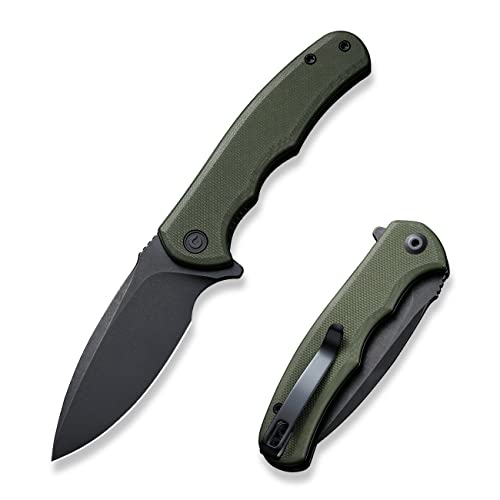
The CIVIVI Mini Praxis features a 2.98″ D2 steel blade with a G10 handle, designed for strong edge retention and corrosion resistance. The knife uses a ceramic ball-bearing pivot for fast, one-handed deployment and secure closing action. Best for: light yet reliable EDC where quick access and confident handling are priorities. Limitation: smaller size may be less comfortable for users with larger hands or for demanding heavy-duty tasks.
Kershaw Appa Pocket Knife: All-Black Versatile EDC
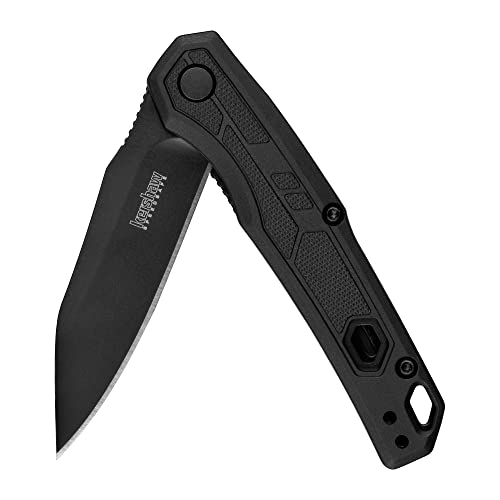
The Kershaw Appa pairs an all-black appearance with a 2.75-inch stainless steel reverse Tanto blade and a glass-filled nylon handle. It includes a reversible pocketclip and lanyard hole for versatile carry. Best for: everyday tasks and light tactical use where a discreet, high-utility blade is desired. Caution: the blade length is compact, so larger cutting jobs may require a larger knife.
NedFoss Pocket Folding Knife DA75: 3-in-1 Survival Tool

The NedFoss DA75 provides an 8Cr14Mov blade with a drop point shape and an aluminum/G10 handle. It includes a seatbelt cutter and a glass breaker, and features a convenient pocket clip. Best for: campers and hikers who want quick emergency tools integrated into a compact folding knife. Limitation: the 8Cr14Mov alloy, while strong, may not hold an edge as long as higher-end steels under heavy use.
Buying Guide: How To Choose The Sharpest Pocket Knife
- Blade steel and edge retention: Prioritize blades with stainless or high-carbon stainless steels (for example, D2, 7Cr17Mov, 4Cr13, or 8Cr14Mov) for a balance of sharpness and ease of maintenance.
- Blade length and overall size: Match blade length to your typical tasks. Compact blades suit daily tasks; longer blades excel in outdoor chores.
- Locking mechanism: A sturdy liner or frame lock improves safety when applying cutting force. Ambidextrous deployment features are a plus for left-handed users.
- Handle material and grip: G10 and aluminum provide strength and a secure grip in wet conditions. Look for texture or finger grooves to prevent slips.
- Carrying options: Pocket clips, lanyard holes, and ambidextrous clip configurations improve accessibility and retention during activity.
- Maintenance considerations: Serrated blades cut rope and tough fibrous materials but are harder to sharpen precisely. Plain edges sharpen easily but may require more frequent touch-ups for some tasks.
- Safety features: Consider glass breakers and seatbelt cutters for emergency scenarios, especially in camping or vehicle-related uses.
Frequently Asked Questions
- What makes a pocket knife “sharp” for daily tasks?
Sharpness is primarily about edge geometry, blade material, and the quality of sharpening. A blade with a good steel alloy and proper edge bevel will stay sharp longer for everyday cuts.
- Is serrated or plain-edge better for EDC?
Serrated edges excel at cutting fibrous materials like rope, while plain edges are easier to sharpen and offer clean cuts for food and packaging. A combination blade is often ideal for versatile use.
- Should I choose a small or large blade for hiking?
A small blade is lighter and easier to carry, suitable for light tasks. A larger blade can handle tougher chores like cutting branches but adds weight and bulk.
- Are assisted-opening knives safer to use?
Assisted-opening mechanisms improve one-handed deployment and are common in many models. Always practice safe handling and keep fingers away from the blade path.
- What should I consider for emergency tools on a knife?
Seatbelt cutters and glass-breakers are helpful in vehicles or camp scenarios. Ensure you know how to use them safely and effectively.
- How important is blade material for corrosion resistance?
Stainless steels resist rust and corrosion in typical environments, making maintenance easier and extending blade life in humid or wet conditions.