
Answering the common question, which sanding belts deliver reliable material removal and consistent finishes for woodworking? This guide spotlights five belts that balance durability, versatility, and value. It is ideal for hobbyists, DIY woodworkers, and professionals seeking reliable belts for detailed shaping, smoothing, and finishing tasks. Each option is evaluated for the type of buyer it serves best, from casual hobbyists to heavy-duty workshop use.
Summary of selected products
| Product | Grit Range | Best For | |
|---|---|---|---|
| TPmax 4×36 12-Piece Belt Pack | 80, 120, 150 | DIY woodworkers needing a mixed-grit starter pack | Aluminum oxide; diagonal splice for durability |
| BOSHCRAFT 21 Pack 3×21 Belts | 40–400 (assorted) | Budget-conscious pros and hobbyists needing variety | Reinforced joint; high tensile strength |
| Zivisk 1/2 x 18 Belts, 20 Pack | 60/80/120/180/240 | Medium-duty shaping and polishing | High-quality resin emery cloth; broad compatibility |
| Okxiri 3×21 Belts, 8 Pcs | 80/120/150/240 | Woodworking with hobbyist to mid-range projects | Multiple grits; strong seams |
| Sunxeke 12-Pack 3×21 Belts | 80/120/150 | Reliable mid-range performance | Bidirectional seams; solid heat resistance |
Each product section below explains who should buy it, why it was selected, and a practical limit to consider before choosing.
TPmax 4×36 Belt Pack — Best Starter Set

Key features: Premium aluminum oxide, diagonal lap splice for durability, suitable for wood, aluminum, non-ferrous metals, glass, plastic, and stone. Best for beginners or light-to-moderate workshop use where a mixed-grit set is desired. Best for: hobbyists needing a cost-effective, ready-to-use assortment. Limitation: fewer very fine grits may require a separate high-grit option for finishing tasks.
BOSHCRAFT 21 Pack 3×21 Belts — Best Value Range

Key features: 21 belts across 40/60/80/120/180/240/400 grits; reinforced belt joint; high tensile strength. Best for: woodworkers and metalworkers who need a broad grit spectrum in a single purchase. Limitation: larger packs may be more than some users need for occasional projects.
Zivisk 1/2 x 18 Belts — Flexible Mid-Range
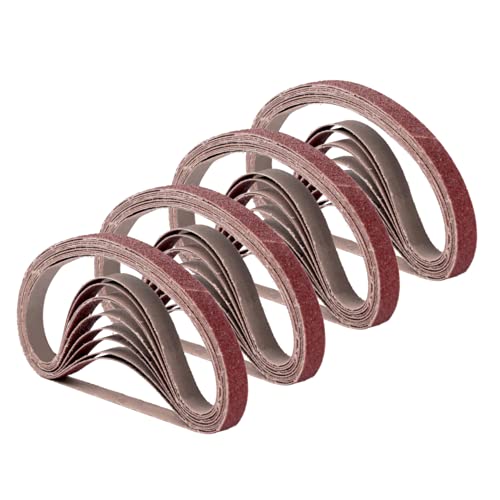
Key features: 20 belts in 60/80/120/180/240 grits; high-quality resin emery cloth; compatibility with common sander brands. Best for: those needing reliable mid-range belts for wood and metal polishing. Limitation: not designed for extreme heavy-duty applications; better for standard woodworking and metal polishing tasks.
Okxiri 3×21 Belts — Compact Choice

Key features: 8 belts across 80/120/150/240 grit; durable seams; designed for woodworking, polishing, and light metal work. Best for: hobbyists who want a compact set with multiple grits for ongoing small projects. Limitation: smaller belt count may require additional purchases for larger projects.
Sunxeke 12-Pack — All-Around Performer
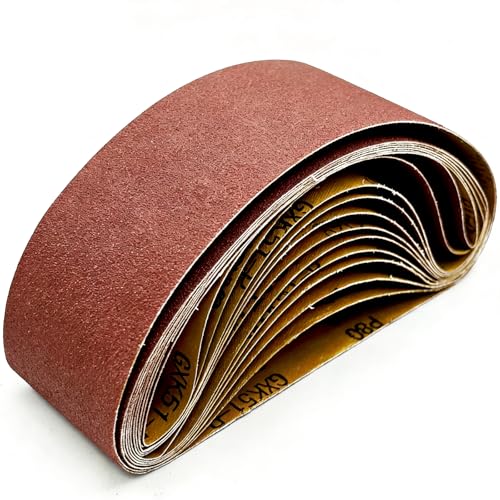
Key features: 12 belts in 80/120/150 grits; aluminum oxide with rugged cloth backing; bidirectional tape seams for reduced vibration. Best for: woodworkers seeking steady performance with solid heat resistance. Limitation: may lack ultra-fine grits for finishing in some setups, depending on project needs.
Buying Guide: How to Choose the Right Sanding Belts
What matters most when selecting sanding belts for woodworking? Consider grit range, belt width, compatibility with your sander, durability, and the types of materials you work with. For beginners, a mixed-grit pack offers flexibility for shaping, smoothing, and finishing. For professionals, a larger assortment with higher grits ensures consistency across a range of tasks without frequent reordering.
What grit range should I start with?
Begin with coarse grits (40–80) for material removal, mid grits (120–180) for smoothing, and fine grits (220–400) for finishing. Having a belt pack that spans these ranges helps cover most projects without swapping belts constantly.
Which belt width and length matter?
Common sizes like 3×21 inches or 4×36 inches fit many benchtop and handheld belt sanders. Confirm compatibility with your sander’s model and mounting system to avoid fit issues or performance problems.
How important is belt seam quality?
Smooth seams reduce the risk of belt tracking issues and vibration. Belts with reinforced joints or two-way tape joints tend to stay flat and resist shedding during use.
Durability versus cost
Higher durability often comes with stronger cloth backing and resin bonding. For frequent use, prioritize belts with aluminum oxide grain on robust backing. For occasional projects, more economical packs may suffice.
Usage scenarios
Woodworking projects with dense hardwoods or metal polishing tasks benefit from belts designed for heat resistance and tear resistance. If your projects mix wood and metal, choose belts labeled for multi-material use and verify compatibility with your sander type.
Frequently Asked Questions
-
What sanding belt grit should I use for DIY wood projects?
Start with 80–120 grit for shaping, then move to 150–180 grit for smoothing, and finish with 220–400 grit for a fine surface.
-
Are all 3×21 inch belts compatible with common belt sanders?
Most 3×21 inch belts fit standard belt sanders, but always check your sander’s model specifications for belt size and mounting style.
-
What is the advantage of a belt with a reinforced seam?
Reinforced seams reduce belt bumps and help the belt stay flat during operation, improving sanding consistency and belt life.
-
Should I buy a large belt pack or several smaller packs?
If you frequently switch between grits and materials, a larger mixed-grit pack saves time. For occasional projects, smaller packs can minimize upfront cost.
-
Can sanding belts be used on metal or plastics?
Yes, aluminum oxide belts are versatile and can handle wood, metal, and some plastics, but for specialty plastics or metals, check the belt’s recommended material list.
-
How do I extend belt life?
Keep belts clean, avoid overheating, and choose belts with appropriate backing and grit for the task. Using an abrasive cleaning stick can help remove buildup without damaging the grit.