
Across various roof types, selecting a rubber roof sealant that bonds well, remains flexible, and resists UV is essential. This guide highlights five top options suited for flat, low-slope, metal, and RV roofs. Best for homeowners repairing flat roofs and foundations, best for RV owners seeking reliable, long-lasting protection, and best for multi-surface applications. The table below summarizes the key picks to help you compare at a glance.
| Product | Best For | Key Benefit | Notes |
|---|---|---|---|
| Liquid Rubber Waterproof Sealant (1 gal) | Flat / low-slope roofs, foundations | High elongation; flexible, durable membrane | Good for large surface areas with multiple coats |
| Liquid Rubber RV Roof Sealant (1 gal) | Travel trailers, campers, RVs | Solar reflectivity and flexible waterproofing | Designed for roof membranes over time |
| Geocel 4500 Roof Bonding Sealant (10 oz) | Single-component bonding sealant for various substrates | Underwater bonding; quick-drying | Versatile for common roofing substrates |
| Ames Maximum Stretch Roof Coating (4.6 gal) | Low-slope roofs, metal and tar | Up to 650% elongation; high reflectivity | Bright white; reduces heat |
| Liquid Rubber Color Roof Sealant (1 gal) | Flat or low-slope roofs; metal roofs | Elastomeric, UV-stable membrane | Multiple coats build a durable membrane |
Liquid Rubber Waterproof Sealant – DIY Leak Repair Coating

What it is: An industrial-strength bitumen-based sealant designed to form a seamless waterproof membrane on flat and low-slope roofs, foundations, gutters, and more. It creates a flexible barrier that adapts to movement and temperature changes, preventing water infiltration. Best for: homeowners and contractors working on flat roofs, metal roofs, or foundations who need a durable, flexible coating that resists UV damage.
Why chosen: This product offers over 950% elongation, helping it stay adhered as surfaces move. It is applied with brush, roller, or spray, and can protect areas where traditional tar or patch products fail. Use it to build a long-lasting protective membrane that resists cracking and peeling.
Caution: For vertical surfaces, apply in multiple coats to achieve the recommended membrane thickness. Ensure proper surface preparation and ventilation during application.
Liquid Rubber RV Roof Sealant

What it is: A professional-grade, solar-reflective rubber coating designed for EPDM, TPO, fiberglass, and aluminum RV roofs. It creates a flexible, leak-proof membrane that helps maintain interior dry conditions in varying climates. Best for: RV owners and campers seeking a reflective, durable sealant that reduces heat absorption and extends roof life.
Why chosen: It offers heat-reflective properties that can lower interior temperatures and cooling costs, while remaining compatible with several common RV roof materials. It pairs with compatible primers for stronger adhesion on EPDM and TPO surfaces.
Caution: This product is optimized for use on roofing membranes; surfaces with heavy prior damage may require additional repairs first. Adequate ventilation during application is advised.
Geocel 4500 Roof Bonding Sealant

What it is: A one-component, underwater-bonding sealant designed for roofing applications across substrates like asphalt shingles, steel, EPDM, primed TPO, primed PVC, and more. Best for: projects requiring a strong, underwater-grade bond and quick-drying performance on various roofing materials.
Why chosen: Its bonding capabilities under water and on multiple substrates make it versatile for repairs and maintenance. It dries quickly enough to withstand ponding water, reducing wait times for sealing projects.
Caution: Compatibility varies with different primed surfaces; confirm substrate readiness before application. Not ideal for structural repairs that require structural-strength adhesives.
Ames Maximum Stretch Roof Coating

What it is: A white, elastomeric roof coating with a high elongation rating (up to 650%). It is designed for low-slope roofs and can be brushed, rolled, or sprayed on. Best for: homeowners and pros seeking a reflective, long-lasting coating that resists cracking and peeling on metal, tar, and rolled roofs.
Why chosen: The combination of 650% elongation and 88% reflectivity helps prevent cracking and reduces cooling costs. It doubles as a rubber roofing material and provides effective protection for RVs, roofs, and other surfaces with movement.
Caution: White color reflects heat well but may show dirt; consider maintenance plans for sustained appearance and performance.
AMES RESEARCH LABORATORIES MSS1 Maximum Stretch Roof Coating
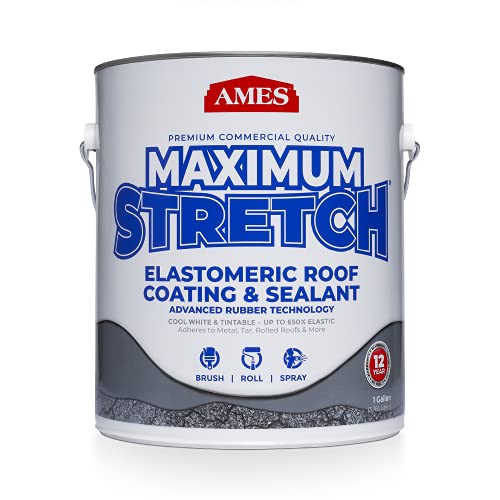
What it is: A white elastomeric roof coating similar to Ames Maximum Stretch, featuring 650% elongation for cracking resistance and 88% reflective properties. Best for: roofs needing durable, flexible protection on metal, tar, and rolled surfaces.
Why chosen: High elongation reduces risk of cracking from movement and temperature changes, while cooling benefits help manage energy use. It can be applied by brush, roll, or spray to achieve a resilient seal.
Caution: Like other coatings, proper surface cleaning and priming (where applicable) improve adhesion and longevity.
WELLUCK 4PC Self Leveling RV Roof Sealant Lap

What it is: A self-leveling RV roof sealant designed to create a secure, secondary seal along RV roof edges and vents. Best for: RV owners who want a simple, clean lap sealant that levels itself for a flat, even finish.
Why chosen: Self-leveling formula minimizes manual smoothing and helps form a uniform seal across RV roof seams. It provides weather resistance and compatibility with a range of RV roof materials.
Caution: Self-leveling products can run if applied on very steep sections; apply carefully to avoid pooling on uneven surfaces.
Liquid Rubber Color Roof Sealant
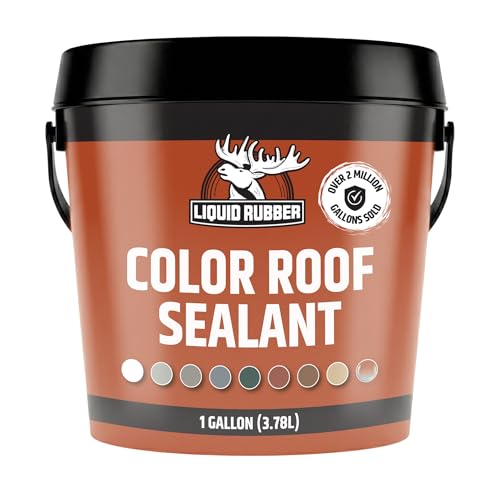
What it is: A white elastomeric coating designed for flat, low-slope, and metal roofs. It forms a rubber-like membrane with up to 900% elongation to flex with roof movement. Best for: environments requiring a durable, UV-stable membrane with easy paint-like application.
Why chosen: It builds a seamless membrane when applied in multiple heavy coats, offering long-term protection against leaks and water intrusion. The UV stability helps maintain performance in sunny climates.
Caution: Multiple coats are typically required; plan for thorough surface preparation and adequate drying time between coats.
Buying Guide: How To Choose The Right Rubber Roof Sealant
Key factors to consider when selecting a rubber roof sealant include surface type, movement and expansion, UV exposure, and desired longevity. The following questions help determine the best match.
- What roof type do you have? Flat, low-slope, metal, or RV roofs may require different formulations for optimal adhesion and flexibility.
- Do you need a UV-reflective coating? Reflective finishes can reduce heat gain and improve interior comfort.
- Is waterproofing static or dynamic? High-elasticity products tolerate structural movement better, preventing cracks.
- Will you coat multiple substrates? Some products are designed for EPDM, TPO, metal, or primed surfaces; verify compatibility.
- What coating method do you prefer? Brush, roller, and spray options affect application ease and thickness control.
Application Tips
- Prepare surfaces by cleaning, dry, and repairing obvious damage prior to coating.
- Apply in multiple coats to achieve the recommended thickness for a durable waterproof membrane.
- Avoid applying heavy coats in extreme temperatures or high humidity to prevent peeling and improper curing.
Maintenance And Longevity
Regular inspection after severe weather helps identify early signs of wear. Recoat timing depends on climate, substrate, and coating thickness, but plan for periodic maintenance to maintain a continuous seal.
FAQs
- Q: Are these products suitable for concrete foundations? A: Yes, several products are formulated to bond to foundations and other substrates when prepared properly.
- Q: Can these sealants be used on existing roof tar or patch patches? A: Many are designed as flexible membranes that outperform traditional tar on movement-heavy surfaces.
- Q: Do they require primers? A: Some products pair with primers on certain substrates to maximize adhesion; check product data before use.
- Q: How many coats are recommended? A: Typically 2–4 coats for durable membrane layers, depending on the product and surface.
- Q: Are these safe for use around plants or soil? A: Sealants should be applied with adequate containment and curing times; avoid runoff into soil or landscaped areas.