
Selecting the right roofing materials for a low pitch roof is critical to prevent leaks and ensure long-term durability. This guide highlights five practical options, from underlayments to flashing and vents, that perform well on low-slope surfaces. Each choice focuses on moisture protection, wind resilience, and ease of installation for typical residential applications in the United States. Read on to compare features and find the best fit for your low-pitch roof project.
Summary of chosen products
| Product | Brand | Key Benefit |
|---|---|---|
| DuPont Roof Protector Roofing Underlayment Roll – 42″ x 286′ | DuPont | Four-layer construction with slip resistance and moisture barrier |
| Dicor DIFlex II TPO UV Resistant Membrane (RV) – Polar White | Dicor | Highly flexible, UV resistant, high reflectivity |
| PVC RV Rubber Roof Kit 45 mil (White) | Generic | Thick, maintenance-free cover for RV roofs |
| Selkirk Flat Low Pitch Flashing | Selkirk Sport | Flat/low pitch openings sealant for 2/12 pitch and below |
| ACNOYEL Roof Boots Kit for Corrugated Roofs | ACNOYEL | Flexible EPDM/joint boots for various pipe penetrations |
DuPont Roof Protector Roofing Underlayment
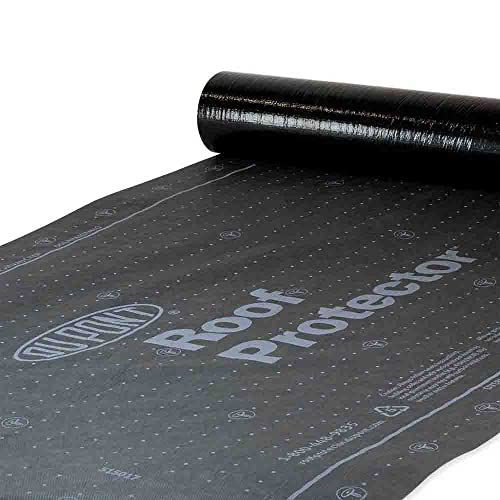
DuPont Roof Protector underlayment is designed to provide a durable secondary moisture barrier beneath roofing materials, with a four-layer construction. The top layer offers grip for safer installation, while the lamination layer acts as a protective water barrier. A woven polypropylene scrim adds strength, and a slip-resistant coating improves traction on the roof deck—benefits when working on low-pitch surfaces where water run-off may be slow.
Dicor DIFlex II TPO UV Resistant Membrane

Dicor DIFlex II TPO UV Resistant is a flexible roofing membrane ideal for RV roofs, conforming to curved surfaces for a tight fit. Polar white color enhances reflectivity to reduce heat buildup. It offers puncture and tear resistance with high tensile strength and is designed to withstand damaging UV rays, making it suitable for low-profile RV and similar roof applications where a flexible, durable membrane is advantageous.
PVC RV Rubber Roof Kit 45 mil

This PVC roof kit is notably thicker at 45 mil, providing a robust, maintenance-free option for RV roofs. The thicker membrane can resist weathering and minor abrasions better than thinner coverings, making it a practical choice for low-slope RV rooftops where long-term durability and low maintenance matter most.
Selkirk Flat Low Pitch Flashing

Selkirk CORP 206815 flat low pitch flashing is designed for openings on flat and low-pitch roofs up to 2/12. It helps divert rain and snow away from the chimney system, reducing leak paths around penetrations common on low-slope roofs. The product combines a low profile with reliable diversion capabilities, aiding long-term moisture control.
ACNOYEL Roofing Boots Kit

The #3 Metal Roof Vents Flashing kit includes four roofing boots designed for corrugated or varying roof textures. Made from EPDM and aluminum, these boots handle extreme temperatures and accommodate pipe penetrations from 1/4″ to 5-3/4″. They are a versatile accessory for securing penetrations and preventing leaks on low-pitch roofs, with flexibility to fit a range of drainage and vent configurations.
Buying Guide: Key Considerations for Low-Pitch Roofs
Material choice should balance moisture control, wind resistance, and ease of installation on low-slope surfaces. For underlayment, prioritize products with multi-layer construction and slip-resistant surfaces to reduce installation risk and improve long-term protection.
Membranes and flashing require compatibility with roof type and deck materials. Flexible membranes like TPO or PVC options can adapt to low-pitch geometry, while flashing accessories should seal around penetrations without creating standing water pockets. Color and reflectivity can influence heat management on shallow roofs.
Durability and maintenance are essential: thicker coverings and robust tapes or sealants reduce future upkeep. Consider UV resistance, tear strength, and puncture resistance for harsh sun exposure and rooftop debris.
Installation practicality matters for DIY or contractor projects. Look for products with clear application guidance, compatibility with common roofing substrates, and accessible replacement parts or patches if needed.
Budget and availability should align with project scope. While premium underlayments and membranes offer stronger protection, mid-range options often provide a balanced performance for typical residential low-pitch roofs. Always follow local building codes and manufacturer instructions when selecting and installing materials.