
Finding reliable portable power for camping involves balancing runtime, weight, noise, and the type of power you need for devices. This guide highlights five strong options well-suited for outdoor trips, emergencies, and off-grid adventures. Each product below includes core specs and how it fits typical camping scenarios, from quiet nights at the site to running essential electronics during a blackout.
| Product | Brand | Watt Range | Type | Notes |
|---|---|---|---|---|
| PowerSmart 4400-Watt Portable Inverter Generator | PowerSmart | 3600-4400W | Gas-powered inverter generator | High power, long runtime, quiet for its class |
| Jackery Portable Power Station Explorer 300 | Jackery | 300W | Lithium battery power station | Lightweight, fast recharge, multiple outputs |
| AMERISUN 2500W Portable Inverter Generator | AMERISUN | 1900-2500W | Gas-powered inverter generator | CO sensor, quiet operation |
| Oxseryn Portable Inverter Generator 2500W | Oxseryn | 1800-2500W | Gas-powered inverter generator | CO sensor, parallel and Eco mode |
| Generac GP3300i 3300W Portable Inverter Generator | Generac | Unknown (approx. 3300W peak) | Inverter generator | TruePower technology, high starting capacity |
Below are five detailed product sections to help compare capabilities, noise levels, and practical use cases for camping, tailgating, and emergency power. Each section stays focused on the product’s features and how they translate to outdoor scenarios.
PowerSmart 4400-Watt Portable Inverter Generator

The PowerSmart model is a gas-powered inverter generator designed for higher power needs with a starting wattage of 4400W and a rated wattage of 3600W. Its 1.6-gallon fuel tank supports lengthy runtimes, advertised at about 11 hours at 25% load, reducing the need for frequent refueling during extended camping trips. With a measured noise level of around 76 dB at 23 feet at 25% load, it balances output with a reasonable quiet profile for residential areas or campgrounds. It suits campers who require higher power for cooking, lighting, and charging multiple devices.
Jackery Explorer 300 Portable Power Station
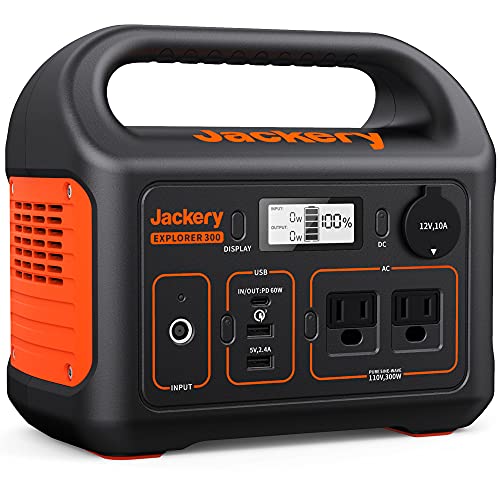
The Explorer 300 is a compact lithium battery power station rated at 293Wh. It recharges quickly, featuring a wall outlet recharge to 80% in around 2 hours and a 60W PD USB-C port for fast topping off. It weighs about 7.1 pounds, making it a portable option for hiking or car camping. It provides two Pure Sine Wave AC outlets and multiple ports for charging devices like drones, cameras, laptops, and phones. It’s ideal for silent, off-grid camping where minimal noise and easy transport are priorities.
AMERISUN 2500W Portable Inverter Generator

The AMERISUN 2500W inverter generator combines compact design with a high-quality fuel-powered system. It delivers a running wattage around 1900W and peaks at 2500W, with a CO sensor for enhanced safety on outdoor trips. At 69 dB at 23 feet, it stays relatively quiet for a campsite while providing reliable power for lighting, small appliances, and charging stations. Its portability makes it a solid choice for campers seeking a robust yet manageable power source without excessive noise.
Oxseryn Portable Inverter Generator 2500W

The Oxseryn model provides 2500 peak watts and 1800 running watts, fueled by a 79.8cc four-stroke OHV engine. It features a 1.1-gallon fuel tank with an indicator and can run up to 9.5 hours at 25% load. The unit supports parallel operation and Eco mode, enabling multiple units to share load and improve efficiency. Ports include two 120V AC outlets, a 12V DC port, a USB port, and a Type-C port, making it versatile for charging a wide range of devices while camping or during emergencies.
Generac GP3300i 3300W Portable Inverter Generator

The Generac GP3300i uses inverter technology to deliver stable, clean power suitable for sensitive electronics and appliances. With TruePower technology and PowerRush capabilities, this generator provides reliable power with stronger starting capacity for tools and small appliances. It is designed for camping, home backup, and RV use, offering a balance of portability and performance for mid-level power needs in outdoor environments.
Buying Guide: Key Purchase Considerations
When choosing a portable power solution for camping, consider the following factors to align with your trips and devices:
- Power needs: Estimate total wattage for essential devices (lights, fridge, chargers, small appliances). Higher-wattage models like 3600–4400W can handle more simultaneous loads, while smaller units suit light-duty needs.
- Fuel type and runtime: Gas-powered units deliver longer runtime at higher loads but require fuel management. Battery power stations are quiet and emission-free but depend on charging sources or solar inputs.
- Noise level: Campers benefit from quieter models (around 60–69 dB at 23 feet) to minimize disturbance. Gas-powered units tend to be louder than inverter battery generators; compare decibel ratings from the manufacturer.
- Weight and portability: For backpacking or car camping, lighter units (under 15 pounds) are easier to transport. Heavier units offer more power for home backups and longer runtimes.
- Certification and safety: Look for CO sensors, true sine wave output, and EPA compliance where applicable. These features protect devices and users in outdoor environments.
- Expandability: Some models support parallel operation so you can connect multiple units for increased capacity during peak loads or extended outages.
- Battery life and charging options: Battery-powered stations vary in capacity (mAh or Wh) and charging versatility (AC, car, solar). Fast-charging features improve usability in camping setups with limited access to power.
For campers prioritizing quiet operation with substantial output, a gas-powered inverter with a CO sensor offers a good balance of performance and safety. If portability and silent operation are paramount, lithium battery stations are ideal for shorter trips or day trips. Finally, consider whether you need parallel capability for future scalability.