
Choosing the right optimization tools for solar installations can dramatically improve energy capture and reduce waste. This article highlights five Amazon-listed products that address shading, orientation, efficiency, and system integration. Each option ranges from module-level optimizers to angle guides and portable panels, offering solutions for residential setups, RVs, and off-grid use cases.
Summary of Selected Products
| Product | Brand | Type | Key Benefit | Amazon Link |
|---|---|---|---|---|
| SOGTICPS Module-Level PV Power Optimizer | SOGTICPS | Power Optimizer | Real-time panel monitoring; reduces mismatch losses | View |
| KarlKers Solar Angle Guide Tracker Tool | KarlKers | Angle Guide | Helps set optimal tilt for max energy capture | View |
| OPTISOLEX 440W Portable Solar Panel | OPTISOLEX | Portable Panel | High efficiency with split panels for flexibility | View |
| Renogy ShadowFlux 400W Solar Panel | Renogy | Solar Panel | Anti-shading technology for shaded conditions | View |
| Xilanseek Bifacial 400W Solar Panel | xilanseek | Solar Panel | N-Type 16BB cells, high efficiency and durability | View |
SOGTICPS Module-Level PV Power Optimizer
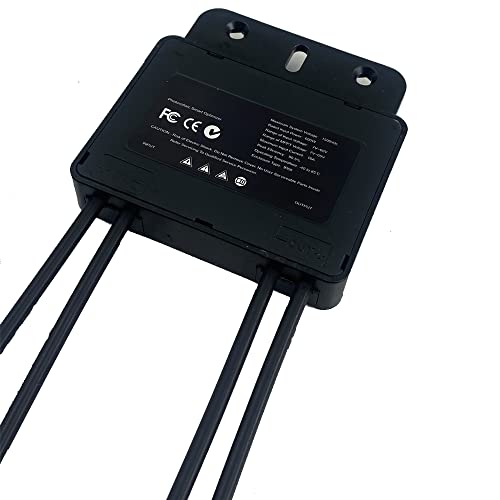
The SOGTICPS optimizer is designed to address mismatch issues caused by shading, dust, orientation differences, and other factors that reduce system performance. It supports real-time panel monitoring and aims to optimize overall power generation while reducing levelized cost of energy (LCOE). The product highlights include handling diverse conditions that can cause derating and uneven output across panels in a string.
KarlKers Solar Angle Guide Tracker Tool

The KarlKers angle guide helps determine the optimal tilt for solar panels to maximize energy output. It is designed for outdoor use with a UV-resistant, high-transparency construction and a stainless steel clip for secure attachment. The guide aims to simplify angle adjustment, enabling better energy capture by approaching a 90-degree solar incidence when aligned properly.
OPTISOLEX 440W Portable Solar Panel

The OPTISOLEX 440W Solar Panel offers high-efficiency N-type cells up to 25% conversion efficiency. It features a portable, split-panel design (2×220W) that can charge multiple devices or power stations simultaneously. The system emphasizes lightweight portability and flexible configuration for camping, RV, or off-grid camping scenarios.
Renogy ShadowFlux 400W Solar Panel

Renogy’s ShadowFlux technology is designed to improve performance in shaded conditions, with emphasis on reducing hot-spot risks and maintaining power output. Using 16BB N-Type cells, these panels offer up to 25% efficiency, and Renogy highlights a compact, lightweight design relative to earlier models, making them suitable for rooftop or portable installations where space and weight are considerations.
Xilanseek Bifacial 400W Solar Panel

Xilanseek offers bifacial solar panels with N-Type 16BB cells, delivering up to 25% efficiency. These panels are designed for improved energy capture from both sides of the module, enhancing performance in varied sunlight conditions. They emphasize weather resilience, with IP-rated junction boxes and connectors supporting durable outdoor use.
Buying Guide: Key Purchase Considerations
- System goals: Decide whether you need real-time monitoring and optimization (module-level optimizers) or improved output through orientation and angle guidance (angle guides and portable panels).
- Shading and layout: In partially shaded roofs or complex array layouts, module-level power optimizers can reduce mismatch losses and improve overall string performance.
- Panel technology: Consider N-Type cells and bifacial designs for higher efficiency and resilience under high-temperature conditions, though they may come at a higher upfront cost.
- Portability vs. permanence: Portable panels suit RVs and camping; fixed roof installations may benefit more from optimizers and high-efficiency panels for longer-term goals.
- Durability: Look for UV resistance, weatherproofing, and contact protection in tools and accessories to ensure long-term performance in various climates.
- Compatibility: Ensure the chosen optimizer or panel is compatible with your existing inverter, battery system, and wiring configuration to maximize gains without creating safety or warranty issues.
- Maintenance and monitoring: Real-time monitoring helps identify underperforming modules quickly; it’s valuable for systems with multiple orientations or drifts in output due to environmental conditions.
- Physical size and weight: For rooftop or portable setups, weight and footprint matter for installation ease and structural considerations.
In summary, optimizing solar performance involves selecting the right combination of hardware to address shading, orientation, and system efficiency. The products highlighted offer a spectrum from module-level optimization to angle guidance and high-efficiency panels, enabling users to tailor a solution to their specific needs and environments.