
Answering your search: the best oil for a push mower is a 4-stroke engine oil rated SAE 10W-30 or 30, formulated for small engines. It reduces wear, handles heat, and helps starts in all seasons. This guide highlights five reliable options suited for push mowers, with clear pros, best-use scenarios, and practical cautions.
Buyer profiles: casual weekend lawn care enthusiasts may prefer budget-friendly 32 oz or multi-pack options for easy rotation. DIY homeowners who operate in mixed temperatures benefit from all-weather blends. Professionals or heavy users may choose oils with excellent wear protection and proven performance in small engines. The table below provides a quick comparison of the selected products.
| Product | Key Benefit | Best For | Notes |
|---|---|---|---|
| STP Premium Small Engine 4 Cycle Oil Formula, SAE10W-30 | All-weather synthetic blend; reduces wear | Push mowers and small outdoor equipment | One bottle per pack; good for year-round starts |
| STP Premium Small Engine 4 Cycle Oil Formula, SAE10W-30 (Pack of 2) | Two bottles; same benefits as single bottle | Users with frequent oil changes or multiple machines | Per-pack information listed |
| Pennzoil 10W-30 Motor Oil, 1 Quart | Proven wear protection; clean engine | General small engines and lawn equipment | Reliable brand with established performance |
| Lucas Oil 11314 SAE 10W-40 Lawn Mower Motor Oil | Reduces wear; helps prevent overheating | Push and riding mowers in heat-prone conditions | 10W-40 formulation for hotter climates |
| Lucas Oil 11313 SAE 10W-30 Lawn Mower Motor Oil | Wear reduction; engine life extension | Push or riding mowers; versatile | Common 10W-30 choice for small engines |
STP Premium Small Engine 4 Cycle Oil SAE 10W-30

Designed for small engines in lawnmowers and other outdoor equipment, this 32 oz bottle is a synthetic blend with an all-weather formula. Best for: casual mow day use in varying temperatures. Why selected: proven wear reduction and reliable performance in common lawn care machines. Caution: verify compatibility with two-stroke fuel systems if used in non-4-cycle engines.
STP Premium Small Engine 4 Cycle Oil SAE 10W-30 (Pack of 2)

Two 32 oz bottles provide continued lubrication for one or more small engines. Best for: households with multiple mowers or as a ready replacement stock. Why selected: same all-weather formula as single-pack, enabling easier scheduling of oil changes. Caution: store upright to avoid leaks in storage.
Pennzoil 10W-30 Motor Oil, 1 Quart

10W-30 motor oil from a trusted brand, formulated to keep engines clean and responsive with wear protection. Best for: standard push mowers requiring dependable, widely compatible oil. Why selected: established integrity and proven performance in small engines. Caution: avoid over- or under-filling; check your mower’s dipstick guidance.
Toro SAE 30 Summer Oil — 18 Ounce

Designed for summer use with push mowers and other equipment, this 18 oz bottle offers straightforward lubrication for hot-weather cutting sessions. Best for: mowers operated primarily in warm seasons. Why selected: compact size suits small storage spaces. Caution: may not provide optimal protection in cold starts; pair with appropriate seasonal oil if operating in cold weather.
Briggs & Stratton 2 Pack of Genuine OEM Replacement 2 Cycle Oil
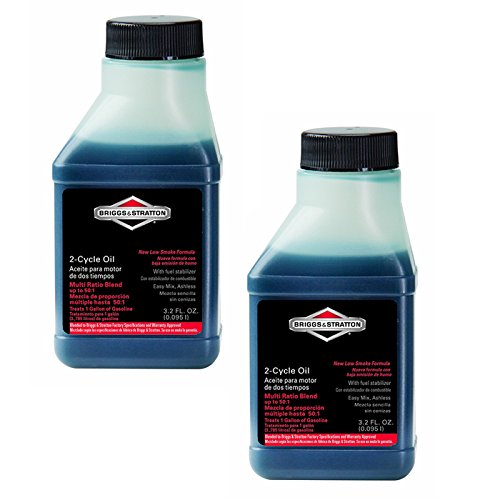
Genuine OEM replacement oil for two-stroke engines, useful for equipment that uses 2-cycle oil blends. Best for: mowers or outdoor tools with 2-stroke oil requirements. Why selected: compatibility with Briggs & Stratton parts and common 2-cycle applications. Caution: not suitable for most 4-stroke push mowers unless explicitly designed for 2-cycle use.
Lucas Oil 11314 SAE 10W-40 Lawn Mower Oil
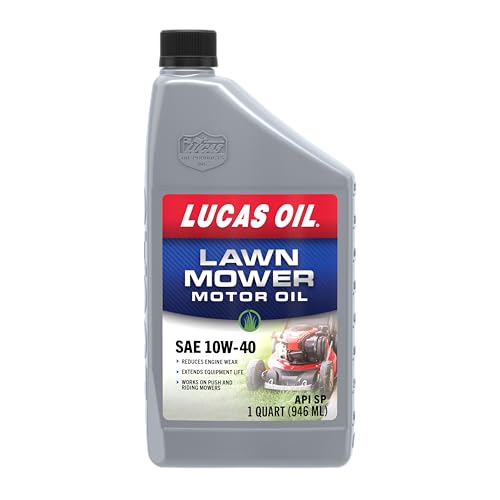
10W-40 formulation aimed at reducing engine wear and cooling engine components in hot operating conditions. Best for: push mowers used in heat-prone climates or heavy-use scenarios. Why selected: strong wear protection and heat resistance. Caution: heavier weight oil may affect cold-start performance in freezing temperatures.
Lucas Oil 11313 SAE 10W-30 Lawn Mower Oil
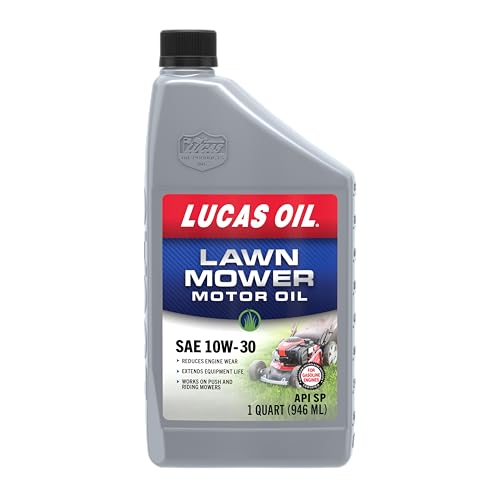
Versatile 10W-30 oil for small engines, offering wear protection and engine longevity. Best for: general-purpose mowers that require a reliable, widely compatible oil. Why selected: common choice across many small engines; easy to source. Caution: ensure correct grade for extreme cold starts if you operate in winter.
Buying Guide: Key Purchase Considerations
- Oil grade: Most push mowers use 10W-30 or 30-weight oils. Choose 10W-30 for year-round versatility; 30 weight can be suitable in warmer climates.
- Synthetic vs. conventional: Synthetic blends (like STP 10W-30) offer better wear protection and heat tolerance, though often at a higher price.
- Climate and season: All-weather blends help with start-up in cold weather and durability in heat. For hot climates, consider 10W-40 lubricants (like Lucas 11314).
- Oil capacity and changes: If you have multiple mowers or large storage needs, consider multi-pack options to stock up and simplify maintenance scheduling.
- Brand compatibility: Use oils from reputable brands with small-engine formulation to ensure compatibility with typical lawnmower engines.
- Storage and handling: Store in a cool, upright position. Replace oil at recommended intervals or per mower manufacturer guidance.
Frequently Asked Questions
- What oil should I put in a push mower?
Use 10W-30 or 30-weight engine oil designed for small 4-stroke engines. - Is synthetic oil better for a mower?
Yes, synthetic blends provide better wear protection and temperature stability, which can extend engine life. - Can I use 2-cycle oil in a push mower?
Only if the mower is designed for 2-stroke fuel/oil mixtures. Most push mowers use 4-stroke oil. - How often should oil be changed in a push mower?
Follow the mower manufacturer’s recommendations; commonly every season or after 25-50 hours of use. - Does the oil weight matter for cold starts?
Yes; in cold climates, a 5W- or 10W-grade oil is easier to start than straight 30-weight oil. - Can I mix brands or blends in one mower?
Stick to a single formulation per fill to avoid potential additive incompatibilities and ensure consistent protection.