
Choosing a metal cutting tool depends on the task, material, and workspace. The following five products span straight-cut tin snips, drill-mounted nibblers, compact hacksaws, a dedicated metal shear, and a versatile rotary tool kit. Together they cover precision cuts, sheet metal work, tight spaces, and flexible shaping. The best pick for you will hinge on your typical projects—HVAC, gutter work, or metal crafting—and how much portability you need.
| Product | Best For | Limitations |
|---|---|---|
| Hurricane 10 Inch Aviation Tin Snips | Straight cuts on thin sheet metal and gutters | Not suited for tight circles or sharp angles |
| CZS Sheet Metal Cutter Drill Attachment | Fast, hands-free cuts on steel, copper, and aluminum | Requires compatible electric drill |
| KATA Mini Hacksaw | Tight spaces and precision cuts | Smaller blade length limits deep dives into thick metal |
| DEWALT Metal Shear/ Cutter Drill Attachment | Versatile, 360° pivoting head for metal cutting | Designed for 18-ga and similar materials |
| PHALANX 180W Rotary Tool Kit | Multi-material cutting and detailed shaping | Requires blades and accessories for specific tasks |
Hurricane 10 Inch Aviation Tin Snips
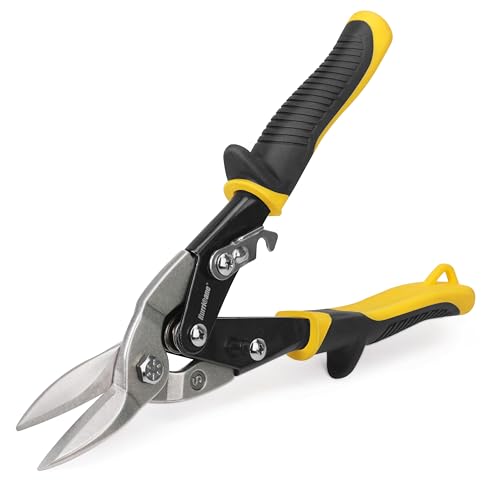
Overview: These straight-cut snips are designed for precise, straight-line cuts and wide curves in thin sheet metal. They’re a practical choice for HVAC ducts, gutter repairs, and light metal DIY projects. Best for buyers needing reliable straight cuts with comfortable handling.
- Best for straight cuts and gentle curves in thin sheet metal
- Cr-V steel blades with micro-serrations provide grip and reduce slipping
- Avoid cutting hardened steel, rods, or wire mesh to preserve tool integrity
Who should buy: Ideal for HVAC technicians, gutter repair enthusiasts, and DIYers who regularly trim light metal. The non-slip Tyregrip handles reduce fatigue during longer sessions.
Limitation: Not intended for tight circles or sharp angles; plan equipment use accordingly to avoid blade strain.
CZS Sheet Metal Cutter Drill Attachment

Overview: This drill-attached cutter uses the drill’s power to drive a circular gear head, creating efficient, faster cuts on metal sheets. It expands capabilities beyond handheld shears for layout-heavy tasks.
- Best for fast, high-efficiency cuts when using an electric drill
- Capable of cutting iron, steel, copper, aluminum
- Tips: work in a controlled pace to maintain edge quality and accuracy
Who should buy: Professionals or hobbyists who want a power-assisted option for sheet metal cutting and multiple material compatibility. Useful for quickly thinning sheet metal in garages or fabrication spaces.
Caution: Use with proper PPE; ensure the drill can handle the attachment’s load and maintain stable operation.
KATA Mini Hacksaw for Metal Cutting

Overview: A compact hacksaw with an aluminum frame, designed for tight spaces and precise cuts. It’s ergonomically shaped with an anti-slip grip and easily swapped blades for different materials.
- Best for tight, hard-to-reach spaces and fine cuts
- Includes a 10″ blade with extra blades for replacement
- Suitable for wood, PVC, plasterboard, metal, and more
Who should buy: Ideal for crafters, electricians, or metalworkers who frequently encounter narrow corners and cramped areas. The compact design supports one-handed operation in awkward spots.
Limitation: Blade length and frame size limit deep cuts into thick metal; plan for incremental cuts on larger workpieces.
DEWALT Metal Shear/ Cutter Drill Attachment

Overview: This drill-attached metal shear offers a 360-degree pivoting head, enabling improved maneuverability for metal cutting in tight angles and odd profiles. Designed for cutting 18-gauge material and similar sheets.
- Best for versatile angles and curved cuts on sheet metal
- 360° swivel head provides enhanced control
- A practicality pick for projects requiring flexibility over straight-line cuts
Who should buy: Metalworkers and DIYers who regularly encounter irregular shapes or overhead cuts will benefit from the pivoting head. It’s suitable for basic sheet metal work and remodeling tasks.
Caution: Best used on lighter gauges; for thick materials, cutting efficiency may diminish compared to dedicated saws.
PHALANX 180W Rotary Tool Kit

Overview: A versatile rotary tool kit featuring 180W power, 6-speed control, and a flexible shaft option. It supports a wide range of tasks from metal cutting to polishing, with a broad accessory kit included for crafts and DIY projects.
- Best for multi-material cutting and detailed shaping
- 6-speed adjustment with a flexible shaft for precision work
- Requires appropriate blades and accessories for specific tasks
Who should buy: This kit is ideal for DIY enthusiasts and small workshop users who need one tool for many metalworking tasks, including engraving, polishing, and light cutting. The flexible shaft aids in fine finishing and hobbyist crafting.
Limitation: The tool’s effectiveness depends on selecting the right blade and accessory set for each material; it’s not a replacement for high-volume metal fabrication equipment.
Buying Guide: Key Considerations for Metal Cutting Tools
What material will you cut?
Thin sheet metal requires different tools than thicker metal. Snips and nibblers are often best for aluminum and thin steel, while drill attachments and rotary tools support a broader material range, including copper and plastics with appropriate blades.
Are you cutting in tight spaces?
Compact hacksaws and drill-attached cutters excel in cramped areas. A tool with a pivoting head or flexible shaft can dramatically improve maneuverability.
Do you need speed or precision?
Power-assisted cutters and high-speed rotary tools offer quick results for repetitive cuts, while handheld snips and mini hacksaws provide greater control for detailed work.
What gauges or thicknesses will you encounter?
Know the maximum material thickness your tool supports. For example, some cutters are optimized for up to 18-20 gauge sheet metal, while others handle slightly thicker or thinner materials. Choose accordingly to avoid blade damage or suboptimal cuts.
What safety considerations apply?
Always wear eye protection, gloves, and hearing protection when cutting metal. Secure workpieces, and ensure blades are properly installed and maintained to prevent kickback or snapping.
How will you use power tools vs manual tools?
Power tools (drill attachments, rotary kits) increase speed and reduce manual effort but require power sources and setup. Manual tools (tin snips, hacksaws) deliver fine control and independence from electricity, suitable for fieldwork.
FAQ
- What is the best tool for straight cuts in gutter metal? – Straight-cut snips like the Hurricane Tin Snips are ideal for straight lines and broad cuts in thin gutter materials.
- Can I cut thicker metal with drill attachments? – Drill attachments work best on thinner gauges; for thicker metal, consider a dedicated shear or saw designed for heavier materials.
- Is a rotary tool kit enough for metal cutting? – A rotary tool is versatile for shaping and finishing, but for heavy cutting you’ll want dedicated cutters or shears designed for metal.
- Are drill-attached cutters safe for DIY home use? – Yes, when used with proper PPE and stable workholding, but follow manufacturer guidelines for speed and bit compatibility.
- How do I choose between a dedicated sheet metal cutter and a drill attachment? – Choose based on project pace, material thickness, and whether you need mobility or hands-free operation for repetitive cuts.
- Do I need both a hacksaw and tin snips? – It’s common to have both; tin snips excel in long, straight cuts, while a hacksaw handles tight spaces or specialized cuts.