
Hand crank generators are compact, low-tech power sources that convert manual turning into usable electrical energy. They’re ideal for science education, emergency lighting, and classroom demonstrations of energy conversion. This article showcases five reliable options that fit DIY projects or classroom experiments, highlighting how each model works, its notable features, and practical use cases. Compare durability, output range, and ease of use to choose the right hand crank generator for your needs.
| Product | Brand | Notable Use |
|---|---|---|
| Nightbreeze DIY Hand Crank Generator | nightbreeze | Physics tests, 1–12V DC experiments |
| Science STEM Project Kit for Kids | Delinx | Multiple energy conversion modes for learning |
| Deluxe Hand Crank DC Generator | Genius Factory | STEM experiments with power-limited output |
| Hand Held DC Generator (Replacement Gears) | Sci-Supply | Durable hand crank with gear sets for DIY projects |
| Qianson DIY Hand Crank Generator | Qianson | Portable hand crank flashlight and charger |
Nightbreeze DIY Hand Crank Generator
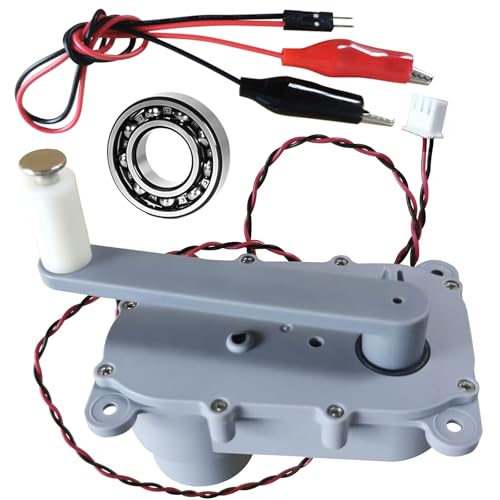
The Nightbreeze kit emphasizes durability and ease of use for science experiments. Built with two ball bearings and lubricating grease, it reduces friction for smoother operation. The package includes a hand generator, three LED beads, and wiring to connect to an external DC supply. It demonstrates how mechanical energy converted by cranking can power 1–12V DC experiments without batteries. Turning the handle produces soft gear noise while lighting the LED, making it a practical teaching tool for classrooms or home labs.
- Durable construction with ball bearings
- No battery required; converts mechanical to electrical energy
- Ideal for physics demonstrations and 1–12V DC experiments
- Includes LEDs and connection wires for simple setups
Science STEM Project Kit: Delinx

This Delinx kit offers a multifaceted energy-conversion experience. It includes three generation modes—hand crank, wind, and chemical reaction—allowing students to compare energy transformations in one package. The activity is engaging for families and classrooms, promoting hands-on learning about how energy is transformed from mechanical motion to electrical energy and beyond. The design supports diverse ages and fosters curiosity through practical experiments.
- Three generation modes for diverse activities
- Encourages exploration of energy transformation
- Family and classroom-friendly STEM learning
- Portable and easy to set up
Deluxe Hand Crank DC Generator

The Deluxe Hand Crank DC Generator focuses on safety and reliability for STEM work. It includes a high/low output switch to limit current, protecting LEDs and bulbs from excess power. The device uses high-performance POM plastic gears for strength, low friction, and stability, ensuring smooth operation in classroom settings or labs. This model is well-suited for projects that require controlled output and long-term use.
- High/Low output switch for current control
- Protected power delivery to LEDs and bulbs
- Durable gears with low friction for reliable operation
- Portable and classroom-friendly design
Hand Held DC Generator (Two Replacement Gear Sets)

The Sci-Supply hand-held generator highlights American sourcing and customer care. It includes two replacement gear sets and a wire lead pair for powering external DC devices, making it a practical upgrade or replacement option for ongoing projects. The addition of spare gears supports longer-term classroom use, where gear wear might affect performance. It’s a straightforward choice for durable, hands-on learning.
- Includes two replacement gear sets
- Wire lead pair for external DC devices
- American-based small business support
- Reliable build for frequent handling
Qianson DIY Hand Crank Generator Flashlight

This portable hand-crank generator by Qianson doubles as a flashlight charger. It’s designed for mobile lighting and DIY handheld projects, delivering a compact source of power on demand. The device is suitable for educational demonstrations of embedded energy conversion and practical field-use where light is essential. Its portability makes it a popular choice for student experiments and emergency preparedness kits.
- Portable, hand-crank powered lighting
- DIY-friendly design for quick builds
- Rechargeable via manual cranking
- Useful as a compact flashlight charger
BROWEY Portable Power Station with Hand Crank

The BROWEY power station combines multiple charging methods with a hand-crank option for emergencies. It features eight output ports, including a 150W AC outlet, multiple USB ports, and a wireless charging pad, plus a robust LED light with adjustable brightness and SOS mode. While cranking can provide emergency illumination, the unit is designed as a multi-use off-grid companion for camping, safety kits, and off-grid living, offering a reliable energy reserve when standard power is unavailable.
- Multi-source charging: wall, solar, hand crank
- Eight output ports and wireless charging
- High-intensity LED with SOS mode
- Rugged, off-grid ready design
Garosa Miniature DC Hand-cranked Generator

The Garosa miniature generator offers 5V–24V output and a compact form factor suitable for small DIY projects or educational demonstrations. Its specification set supports a range of experiments with modest power demands, making it a flexible option for students exploring voltage and current relationships in simple circuits. It emphasizes structural integrity and long service life through quality materials.
- Voltage range: 5V–24V
- Compact, durable build for small projects
- Suitable for basic DIY experiments and teaching aids
CrocSee Micro 3 Phase AC Generator
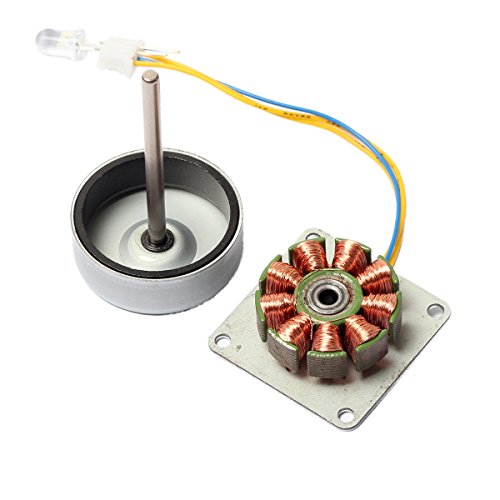
This CrocSee kit introduces a micro 3-phase brushless AC generator, making it a strong starting point for larger experiments in electricity generation. The model outputs 3V–24V and 0.1A–1A, offering a compact, educational platform to study AC generation and phase relationships. It’s particularly useful for demonstrations that illustrate how multi-phase systems operate in small-scale projects and science classrooms.
- 3-phase brushless AC generator
- Output: 3V–24V, 0.1A–1A
- Ideal for introductory electricity generation experiments
Buying Guide: Key Considerations For Choosing A Hand Crank Generator
When selecting a hand crank generator for DIY projects or teaching, consider how the device will be used, the educational value, and the practicality of maintenance. The following factors help compare models across a spectrum of needs:
- Output range: Look for units that deliver the voltage and current compatible with your experiments and LEDs, motors, or small devices. Some kits cover 1–12V, while others offer broader ranges or fixed outputs.
- Durability and build quality: Hand crank devices with ball bearings, sturdy gears, and durable housings reduce wear during frequent cranking and long lessons.
- Gear system and noise: Smooth, quiet operation improves classroom experience and reduces distraction during demonstrations.
- Safety features: Output limiting switches, protection for LEDs, and secure enclosures prevent accidental damage during hands-on activities.
- Versatility: Kits with multiple generation modes (hand crank, wind, chemical reactions) or multi-port outputs enhance learning by illustrating different energy pathways.
- Portability and setup: Lightweight, compact designs are easier to transport for field trips and home labs, while plug-and-play setups save time.
- Replacement parts and support: Availability of spare gears or replacement components is valuable for ongoing classroom use and long-term projects.
- Educational value: Choose kits with clear instructional materials or video guides to support teachers and parents in delivering effective lessons.
- Real-world applicability: Consider devices that illustrate practical energy concepts, such as charging a flashlight or powering small loads, to demonstrate usable outcomes.
Across these options, users can compare a variety of approaches—from simple hand-crank demonstrations to multi-mode energy conversion systems. Each product offers different strengths, whether the goal is classroom teaching, DIY experimentation, or emergency lighting. By aligning the features with your learning objectives, you can select a generator that provides reliable demonstrations and durable, repeatable results.