
Engineered wood flooring requires adhesives that deliver durable bonding, moisture resistance, and compatibility with floating or glued-down installations. This guide highlights five top adhesives ideal for engineered wood floors, categorized by best uses such as tongue-and-groove installation, repairs, and subfloor adhesion. The selections are suitable for DIY enthusiasts and professional installers seeking reliable, US-made or widely trusted brands.
| Product | Best For | Why It Stands Out |
|---|---|---|
| Roberts 1487 Engineered+ Wood Flooring Adhesive | Full glue-down engineered floors | High-strength adhesion for engineered boards; American-made |
| Roberts 1406 Tongue & Groove Flooring Adhesive | Tongue-and-groove engineered planks | Specifically designed for groove-and-groove joints; reliable bond |
| Titebond 2104 Tongue and Groove Glue | Laminate and floating floors | Versatile for laminate and floating installs; good solvent/water resistance |
| Roberts 1407-30C Wood Adhesive | Engineered wood flooring repairs | Latex emulsion, solvent-free; bonds to concrete and underlayment |
| Loctite PL Premium Polyurethane Construction Adhesive | Subfloors and mixed-material installs | All-purpose polyurethane; strong, versatile, bonds to many substrates |
Roberts 1487 Engineered+ Wood Flooring Adhesive

Best for full glue-down installations on engineered floors. This adhesive is formulated to bond engineered boards securely, reducing squeaks and movement. It suits installers who prioritize a strong, stable floor without chips or gaps.
Best for: Professional and DIY installers seeking a robust, dependable glue for engineered flooring. Why selected: It’s American-made, indicating a manufacturing standard often associated with consistent performance. Caution: Data notes only that it is made in the United States; verify substrate compatibility for your project.
Roberts 1406 Tongue & Groove Flooring Adhesive

Best for tongue-and-groove engineered boards, especially where precision joint contact matters. This adhesive targets groove-fit flooring, enhancing alignment and reducing gaps along long runs.
Best for: Installers focusing on groove compatibility and tight joints. Why selected: Specifically designed for groove-and-groove assemblies. Caution: Made in the United States; confirm suitability for radiant heat if applicable.
Titebond 2104 Tongue and Groove Glue Bottle

Best for laminate and floating floor installations, with solid bond strength and compatibility with radiant heat systems. It supports tongue-and-groove joints and offers solvent- and water-resistance when dry.
Best for: Home remodelers and tradespeople installing laminate or floating engineered floors. Why selected: Versatile application range and resistance properties. Caution: Check open-time and cleanup requirements in your environment; ensure compatibility with existing underlayment.
Roberts 1407-30C Wood Adhesive

Best for engineered wood flooring repairs and spot fixes, including bond to concrete and certain underlayments. It’s a latex emulsion, solvent-free option suitable for interior repairs and smaller projects.
Best for: Quick, low-odor repairs after installation. Why selected: Solvent-free and water-based; good for touch-ups. Caution: Not a heavy-duty subfloor adhesive; use as a repair adhesive rather than the primary bond in a full installation.
Loctite PL Premium Polyurethane Construction Adhesive
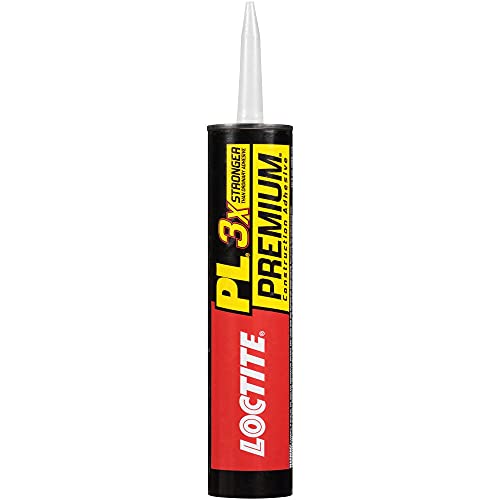
Best for subfloor installations and multi-material bonding. This polyurethane construction adhesive is praised for its all-purpose bonding strength and versatility across materials like wood, concrete, stone, and more.
Best for: Projects requiring robust, cross-material adhesion. Why selected: 3X stronger than many ordinary construction adhesives and versatile across substrates. Caution: Polyurethane adhesives can expand slightly during cure; plan for minor substrate movement in tight joints.
Buying Guide for Engineered Wood Flooring Adhesives
- What installation method are you using? Glue-down, floating, or nail-down influences adhesive choice.
- Is moisture resistance important? For below-grade installations or moist environments, choose a product with strong moisture resistance.
- What substrate will you bond to? Some adhesives bond well to concrete or plywood; others are better for engineered wood alone.
- Are there radiant heat considerations? If yes, verify compatibility with heat systems and heat tolerance.
- Is odor or VOC level a concern? Latex-emulsion and solvent-free options offer lower odor profiles.
- Ease of cleanup and open time: Shorter clamp times and easy cleanup benefit DIY projects, while professional projects may tolerate longer open times for complex patterns.
FAQ
- Q: Which adhesive is best for tongue-and-groove engineered floors? A: Roberts 1406 or Titebond 2104 are solid choices for tongue-and-groove joints, offering good bond and joint stability.
- Q: Can I use construction adhesive for engineered flooring? A: For subfloor bonding and mixed-material installs, Loctite PL Premium provides strong general-purpose adhesion, but verify compatibility with floors and underlayment.
- Q: Are solvent-free options available for engineered flooring? A: Yes, Roberts 1407-30C is latex emulsion and solvent-free, suitable for repairs and certain interior bonds.
- Q: Is moisture resistance critical for engineered floors? A: Yes, particularly in basements or over concrete slabs; check product specs for moisture tolerance and cure time.
- Q: How long should I clamp engineered flooring after applying adhesive? A: Clamping times vary by product—follow manufacturer guidelines, but many require 20–30 minutes for initial set with full cure over 24 hours.