
Answering what to wear when working in freezing environments, these gloves are designed to keep hands warm, dry, and nimble. The top picks cover rugged protection for oil and water exposure, touchscreen compatibility, and dexterity for precision tasks. These are best for professionals in cold storages, meat processing, outdoor winter maintenance, and freezer warehouse work. Below you’ll find five well-suited options, each with a clear use case to help you choose the right pair for your tasks.
Summary of selected products:
- LOCCEF L – Best for general freezer work with strong grip and two-layer coating.
- SIMARI Winter Gloves – Best for touchscreen use and visibility in low light.
- OriStout Winter Work Gloves – Best for water resistance and tactile control in cold tasks.
- Ergodyne ProFlex 850 – Best for extreme cold storage work with a reliable grip.
- MCR Safety Ninja Ice Gloves – Best for insulation and wet/dry grip in very cold environments.
LOCCEF L Winter Work Gloves for Freezer Work

Brand: LOCCEF
Features: Two-layer fabric with 15-gauge nylon outside and soft fleece inside; red polyester lining; oil resistance; anti-slip performance; dual-layer coating to block liquids; improved grip in dry and humid conditions.
Best for: Workers needing reliable warmth and a strong grip in sub-zero conditions, with better protection against oil and liquids. Choose this if you handle wet tasks or need durable, flexible gloves for extended shifts.
Caution: Some users may find the fit slightly snug if not selecting the correct size; ensure you pick the right measurement for maximum dexterity.
SIMARI Winter Gloves for Cold Weather and Freezer Tasks
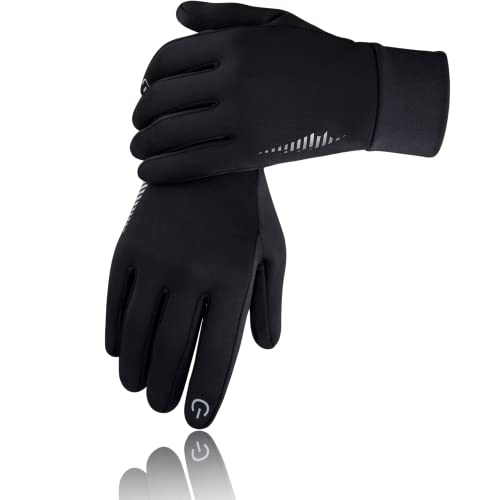
Brand: SIMARI
Features: Touchscreen compatibility with conductive fabric on thumb and index finger; warm fleece lining; 4-way stretch; elastic cuff; non-slip silicone on palm/fingers; reflective safety stripes for night visibility.
Best for: Users who need to operate devices or screens without removing gloves and want good visibility at night. Ideal for professionals who drive, hike, or work outdoors in freezing weather while using touch devices.
Caution: The silicone grip may wear over time with heavy tool use; consider lighter tasks if maximum grip integrity is required long-term.
OriStout Winter Work Gloves for Freezer Work

Brand: OriStout
Features: Cold-resistant latex palm coating with a polyester/acrylic liner for warmth; waterproof and windproof with a 100% water-repellent latex coating; high dexterity due to double coating on palm and fingers for tactile control.
Best for: Tasks requiring splash resistance and precision, such as handling metal parts in freezing temperatures or working around damp cold environments.
Caution: Latex coatings can be sensitive to certain chemicals; avoid prolonged contact with strong solvents if possible.
Ergodyne ProFlex 850 Insulated Freezer Gloves

Brand: Ergodyne
Features: Temperature range from -5°F to -20°F (-21°C to -29°C); CLO value rated at 1.3; silicone-grip palm and fingers for secure handling in cold storage.
Best for: Professional freezer work requiring reliable insulation and a stable grip across wet and dry surfaces, with tolerance for very cold settings.
Caution: Real-world warmth may depend on cuff fit and overall layering; consider pairing with liners for extra warmth in extreme conditions.
LOCCEF 2 Pairs L and XL Winter Gloves for Freezer Work
Brand: LOCCEF
Features: 15-gauge nylon exterior; soft fleece interior; red polyester lining; oil resistance; enhanced anti-slip grip; dual-layer coating to block moisture and oil exposure.
Best for: Buyers who want versatile sizing for shared work gloves or need larger sizes for bulky hands or gloves with liners for extra warmth.
Caution: Availability in multiple sizes may vary; verify the exact size before adding to cart to avoid sizing mismatches.
Buying Guide: How to Choose Freezer-Ready Work Gloves
What should you consider when picking gloves for freezer work? Temperature rating, grip, moisture protection, dexterity, and touchscreen compatibility top the list. Look for a two-layer coating or insulated lining for warmth, and check if the palm and fingers have silicone or latex coatings for reliable grip on wet or oily surfaces. Consider the task type—heavy lifting, precision work, or device operation—and pick gloves that balance warmth with tactile sensitivity. Materials like synthetic fleece, polyester blends, and latex coatings are common; ensure the fit suits your hand size and activity level to minimize fatigue.
How warm do they need to be?
Gloves labeled for cold storage typically provide insulation for temperatures well below freezing, but the level of warmth depends on lining and coating. If you work long shifts in sub-zero areas, prefer gloves with a thick fleece lining and a water/oil barrier on the exterior.
Is touchscreen use important?
If you frequently operate devices, a glove with conductive fabric on the fingertips makes sense. This allows you to text, type, and swipe without removing the gloves, reducing exposure to cold.
How important is grip?
For handling tools, metal parts, or slippery materials, choose gloves with a highly textured palm and finger surface. Silicone or latex coatings improve grip in both dry and wet conditions.
What about durability and fit?
Durability matters in harsh environments; look for reinforced palms and robust seams. Correct sizing is crucial for dexterity and comfort. If you expect heavy usage, consider gloves with reinforced coatings and tougher outer fabrics.
Maintenance tips
Follow manufacturer care instructions. Typically, air dry away from direct heat. Avoid exposing gloves to solvents or harsh chemicals that may degrade coatings.
Frequently Asked Questions
- What is the best glove for freezing temperatures?
- Are touchscreen gloves suitable for freezer work?
- Should I choose latex or synthetic coatings?
- How important is waterproofing?
- Can gloves be used for both fishing and freezer work?
- Do sizes vary between brands?
Gloves with a thick fleece or thermal lining, water-resistant exterior, and a durable grip coating are best for very cold environments. Ergodyne ProFlex 850 is a strong example for freezer work.
Yes, if you need to operate devices without removing gloves. Look for conductive fabric on the fingertips, as seen in SIMARI gloves.
Latex coatings offer good grip and flexibility but may be less durable in harsh chemicals. Synthetic coatings often provide better oil resistance and durability in industrial use.
Waterproofing helps prevent heat loss and keeps hands dry in damp freezers. Latex-coated or multi-layer insulated gloves typically deliver better water resistance.
Some gloves are designed for multiple cold-weather tasks, including fishing. Look for models that emphasize warmth, grip, and water resistance, such as OriStout and LOCCEF variants.
Yes. Always verify size charts and consider trying a larger size if you have wide palms or use liners for extra warmth.