
When a power outage hits, a reliable generator with a 240V outlet can be the difference between comfort and disruption. The models below cover dual-fuel flexibility, high wattage, and transfer-switch readiness to keep essential appliances online. Each entry highlights 240V capability, key features, and what to consider when choosing a generator for home backup, workshops, or outdoor use. Use the quick reference table to compare top options at a glance.
| Product | Fuel Type | Peak / Running Watts | Key Benefit |
|---|---|---|---|
| WEN DF475T | Gasoline/Propane | 4750 / 3800 (gas); 4350 / 3500 (propane) | Simple 120V/240V switch; electric start |
| WEN TF1450 | Gasoline/Propane/Natural Gas | 14500 / 11500 (gas); 12500 / 10300 (propane); 10500 / 8750 (natural gas) | Tri-Fuel versatility; transfer-switch ready |
| WEN DF1100T | Gasoline/Propane | 11000 / 8300 (gas); 9500 / 7500 (propane) | High power, 120V/240V electric start |
| Westinghouse 6500 | Gasoline/Propane | 6500 / 5300 (gas); 5800 / 4800 (propane) | Transfer-switch ready; multiple outlets |
| Gidrox 6000D | Gasoline/Propane | 6000 / 4500 (gas); 5400 / 4050 (propane) | Dual fuel with RV adapter and inverter tech |
Note: All models below include a 240V capability or 120/240V split phase operation, designed for backup power, RV use, or job-site needs. Consider runtime, fuel availability, transfer-switch compatibility, and noise when selecting the right generator for your space.
WEN DF475T Dual Fuel Portable Generator

The WEN DF475T offers a switchable 120V/240V output for transfer switches and emergency backup needs. It runs on gasoline with 4750 surge watts and 3800 running watts, or propane with 4350 surge and 3500 running. The 224cc OHV engine is ignited by an electric starter, enabling quick power when you need it most. This model balances portability with strong output for essential household circuits and tools.
WEN TF1450 14,500-Watt Tri-Fuel Generator

The TF1450 is a 120V/240V tri-fuel generator designed for serious backups. It supports gasoline, propane, and natural gas with high surge and running watts across fuels. With 500cc OHV engine and electric start, it delivers robust power suitable for transfer switches and larger loads. Its dual voltage capability keeps critical circuits operational during extended outages.
WEN DF1100T 11,000-Watt Dual Fuel
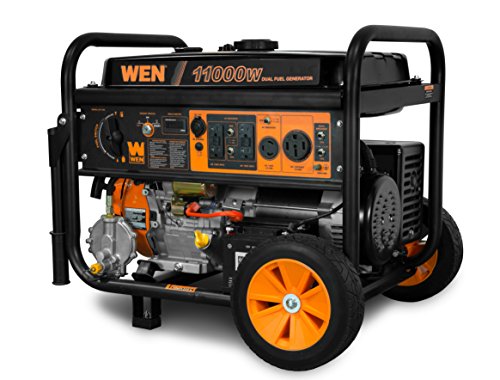
The DF1100T provides high-power, dual-fuel performance with 120V/240V operation and electric start. Gasoline mode delivers 11,000 surge watts and 8,300 running watts, while propane offers 9,500 surge and 7,500 running watts. It’s designed for transfer switches and heavy-duty loads, making it a strong option for whole-home backup and workshop needs.
Westinghouse 6500 Watt Dual Fuel
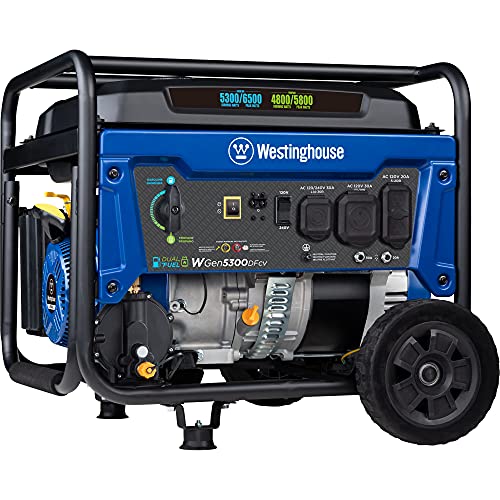
With dual-fuel capability and 120/240V operation, this Westinghouse model includes a 4.7-gallon tank for extended runtimes and a selection of outlets, including an RV-ready outlet and transfer-switch readiness. It ships with accessories like a wheel kit and tools to help you get powered up quickly after outages.
Gidrox 6000D Dual Fuel Inverter Generator
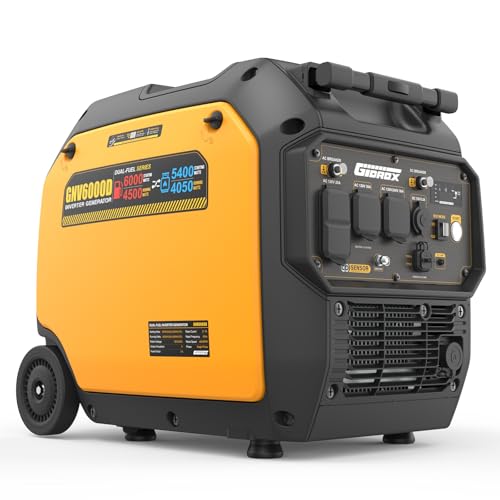
The Gidrox 6000D combines dual-fuel flexibility with inverter-grade power, minimizing THD for sensitive electronics. It delivers 6000 starting watts / 4500 running watts on gasoline and 5400 / 4050 on propane. A built-in RV adapter and compact design make it suitable for campers, job sites, or home backup scenarios that require stable, clean power.
Buying Guide: Key Considerations For 240V Power On The Go
- Power output and load needs: Assess running watts for essential appliances and equipment, then match to a generator that offers a comfortable margin above your typical load.
- Fuel versatility: Dual-fuel or tri-fuel models provide flexibility during fuel shortages. Consider availability of gasoline, propane, or natural gas in your area.
- 240V readiness: Ensure the unit has a true split-phase 120/240V output or clearly labeled 240V capability, with appropriate outlets and receptacles for transfer switches or RV connections.
- Transfer switch compatibility: For whole-home backup, verify compatibility with a home transfer switch and ongoing electrical safety requirements.
- Starting reliability: Electric start is convenient, but check for a manual backup option. Consider ease of maintenance and serviceability in your region.
- Runtime and fuel tank: Look at the fuel tank capacity and expected runtime at a given load to plan outages without frequent refueling.
- Portability and noise: Wheel kits and built-in handles aid mobility, while noise ratings influence where you place the generator near living spaces or neighbors.
- Safety features: CO sensors, automatic shutdown on low oil, and robust outlets with protective covers enhance safe use in garages or outdoors.
When selecting a generator with a 240V outlet, prioritize a balance of power, fuel flexibility, and system compatibility. The options above provide a mix of gas and propane capabilities, high wattage, and transfer-switch readiness to support American homes, workshops, and emergency scenarios.