
When safeguarding a generator and home backup setup from electromagnetic pulses (EMP), solar flares, and RF interference, choosing the right EMP blanket or Faraday shielding solution is essential. This guide highlights five leading options designed to protect generators, inverters, and related equipment. Each pick blends practical shielding performance with ease of use, making them suitable for emergency preparedness and off-grid setups.
Summary of chosen products
- T.R.A.P.- AC- EMP Generator Protection – Faraday Defense
- Faraday Fabric Copper Faraday Cloth – THINNGEN
- AuMarndi Faraday Cloth EMP Proof for Generators – Gold 9×1.1m
- AuMarndi EMF Shielding Fabric Faraday Cloth Roll – Gold 1×1.1m
- EMP Shield Whole Home Generator EMP Shielding
T.R.A.P.-AC EMP Generator Protection

The T.R.A.P.-AC device plugs directly into the three-prong AC receptacle of an inverter or portable generator. It is designed to guard against very fast transients from multiple sources, including nearby lightning strikes and electromagnetic pulses (EMP). The unit houses a high-voltage 5,000-watt transient voltage suppression device to provide targeted protection for essential generator components and connected loads.
Key considerations: ease of installation, rapid response to transients, and a robust suppression rating make this option suitable for in-field generator protection. If you rely on a portable unit for emergency power, this protector helps minimize downtime from surge events and can extend the life of sensitive electronics.
Faraday Fabric Copper Faraday Cloth (THINNGEN)
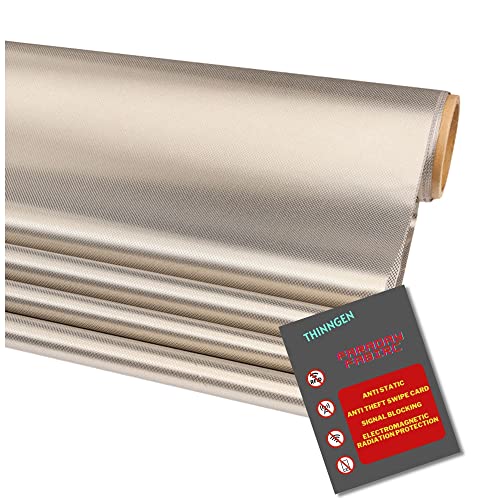
This 43″ x 118″ Faraday cloth is a military-grade fabric designed for building custom Faraday cages or blankets. It blocks RF and EMI across a broad spectrum, making it well-suited for EMP protection around generators and related equipment. The fabric is described as highly effective due to its conductive material construction and is compatible with DIY shielding enclosures.
Key considerations: material quality and shielding performance, versatility for DIY applications, and its use in creating protective enclosures for electronics and generators. For users who want a large, flexible shield that can be tailored to specific generator configurations, this cloth offers a practical option for personal shielding projects.
AuMarndi Faraday Cloth EMP Proof for Generators

AuMarndi offers a large Faraday cloth variant designed specifically for generators and EMF protection. It emphasizes 20% copper-nickel composition, a shielding rating of 80-90dB across 10 kHz to 30 GHz, and easy DIY integration into blankets, enclosures, or protective wraps for generator components. The material also highlights durability with a high number of anti-friction cycles, suitable for long-term use in harsh environments.
Key considerations: deep shielding capability with broad frequency coverage, flexibility for crafting custom covers, and suitability for both on-generator and around-generator protection. For those building a dedicated EMP shield blanket or an on-site protective wrap, this cloth provides a strong shielding base with DIY adaptability.
AuMarndi EMF Shielding Fabric Faraday Cloth Roll

This roll offers a flexible shielding fabric suitable for creating or reinforcing Faraday blankets, sleeves, or protective coverings for generators and associated gear. The material blends copper, nickel, and polyester to deliver a high shielding efficiency (80-90dB) across a broad frequency range, with claims of 99.99% blocking of wireless frequencies. It is marketed for DIY shielding projects and easy tailoring to generator equipment and accessories.
Key considerations: shielding breadth and efficiency, DIY cut-and-sew usability, and compatibility with generator enclosures or portable kits. This option is ideal for readers who want a modular shielding approach that can be scaled across multiple components or used to retrofit existing protective covers.
EMP Shield Whole Home Generator EMP Shielding

While focused on whole-home protection, this option provides comprehensive EMP shielding coverage that includes generator-related circuits and outlets as part of a broader safety strategy. The product emphasizes military-grade protection and American-made manufacturing, aligning with reliability and standardized safety compliance. It may complement a blanket or cloth-based shielding approach by safeguarding the primary electrical system feeding the generator during an EMP event.
Key considerations: scope of protection (home-wide versus generator-focused), certification and reliability standards, and integration with existing electrical infrastructure. For users seeking an end-to-end resilience solution that includes the generator and household circuits, this solution can be part of a layered defense strategy.
Buying Guide: Key Considerations For Selecting an EMP Blanket Or Shield
- Material Composition and Shielding Efficiency
- Size And Compatibility With Your Generator
- DIY vs. Pre-Molded Solutions
- Ease Of Installation And Portability
- Durability And Weather Resistance
- Maintenance And Longevity
- Cost Versus Protection Level
Frequency coverage is essential. Look for fabrics and devices rated to block in the 10 kHz to 30 GHz range with shielding effectiveness near 80-99% across that spectrum. Copper-nickel blends, like those in AuMarndi products, typically deliver robust conductivity and shielding capabilities, while THINNGEN’s fabric focuses on DIY flexibility for enclosures and blankets. For complete generator protection, consider layering solutions: a Faraday blanket or cloth to shield the external surfaces and a dedicated surge protector or EMP shield device on the generator’s input, paired with home-wide shields if your system is tied into a building electrical network.
Size and fit matter. Ensure the blanket or fabric can cover the generator’s air intake, control panel, and exposed electronics, or wrap external shells where practical. DIY cloths require cutting and sewing to fit your exact generator model, whereas roll fabrics offer modularity for multiple components. Durability and care are also important; look for fabrics rated for repeated bending and abrasion resistance, with good thermoconductivity so heat disperses effectively during operation.
Combination approaches can offer the most resilience. A generator-adjacent Faraday blanket can reduce initial RF exposure, while a surge protector or dedicated EMP shield can address fast transients before they reach sensitive electronics. For consumers prioritizing comprehensive safety, a layered strategy—Faraday cloth shielding plus home-wide protection—may provide the broadest coverage against EMP and RF threats without compromising generator usability in emergencies.