
Answering the need for efficient, low-dust grout removal, this guide spotlights five electric grout removal tools that balance power and control. Ideal for homeowners tackling shower tiles, kitchen backsplashes, or bathroom vanities, these tools are suited for precision work as well as bulk removal. The top picks emphasize low-dust operation, comfortable handling, and compatibility with common grout widths. Below is a quick summary table of the chosen products and who they’re best for.
| Product | Best For | Notes |
|---|---|---|
| Hyde 19503 Regrout Tool | Precision work, decorative inset tiles | Multiple speed settings, dust-minimizing |
| SICWEDIM Electric Grout Removal Tool | Deep grout lines, walls and corners | High power, 1200W, 9000 RPM |
| Himopuer 1200W Grout Tool | Versatile cleaning and joints | Strong motor, compact for tight spots |
| Dremel 569 Grout Removal Bit | Spot grout removal, attachments | Attachable bit, high-speed cutter |
| DEWALT Dwa4220 Oscillating Blade | General grout removal with standard tool | Carbide edging, universal fit |
Hyde 19503 Regrout Tool 3-Speed Electric Grout Remover

Best for: Precision work around decoratives, inset tiles, and tight grout lines. The Hyde tool offers adjustable speeds to control dust and chip-off during delicate regrouting tasks and is well-suited for sinks, shower surrounds, and vanity areas where accuracy matters.
What to know: The tool emphasizes low-dust operation, which helps keep work areas cleaner. It is especially helpful for decorative installations where aggressive removal could damage surrounding materials.
Limitations: For very deep or wide grout joints, you may need a larger, more powerful unit or multiple passes. Choose this if you prioritize control over extreme speed.
SICWEDIM Electric Grout Removal Tool
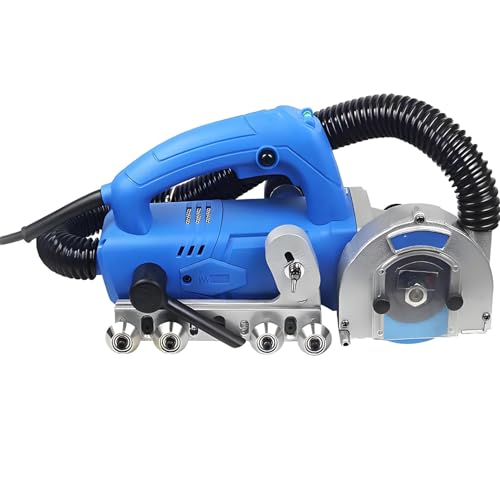
Best for: Deep grout cleaning between tiles and in corners. This 1200W machine is designed to remove cement slurry, caulking, and residues quickly, making it suitable for larger bathroom renovations or kitchen backsplash refreshes.
Why it stands out: A high-power motor paired with a compact form helps reach tight gaps more easily than bulkier tools, with faster removal in broader joints.
Caution: The tool is heavier than smaller handheld units; plan for steady handling and consider a work position that reduces fatigue during long sessions.
Himopuer 1200W Electric Grout Removal Tool

Best for: Contractors or DIYers who want a robust tool with strong power in a compact footprint. The Himopuer model mirrors other 1200W tools in its class and emphasizes ease of use in tight spaces.
Why it’s selected: It balances motor power with a user-friendly design, suitable for removing grout in corners or around fixtures where space is limited.
Limitation: Like similar high-wattage tools, vibration can be noticeable; using lower speeds for delicate areas reduces fatigue and preserves surrounding materials.
Dremel 569 Grout Removal Bit

Best for: Fine grout removal and edge work when used with a compatible Dremel tool. The 1/16 inch bit allows precise removal without overcutting into surrounding tiles.
Why it’s selected: This option is ideal for targeted grout removal and touch-ups rather than bulk demolition, useful for installers who already own a rotary tool.
Limitation: Requires a compatible rotary tool (Dremel or similar) for operation; not a standalone tool.
DEWALT Dwa4220 Oscillating Fastcut Carbide Grout Removal Blade

Best for: General-purpose grout removal when using an oscillating tool. The carbide edging is designed specifically for grout removal and fits major brands without adapters.
Why it’s selected: It’s a practical upgrade for users who already own an oscillating tool and want a dedicated grout removal blade that lasts longer in tough grout.
Limitation: It is a blade, not a handheld grinder; performance depends on compatible tools and proper usage to avoid tile damage.
ENERTWIST Oscillating Tool Kit
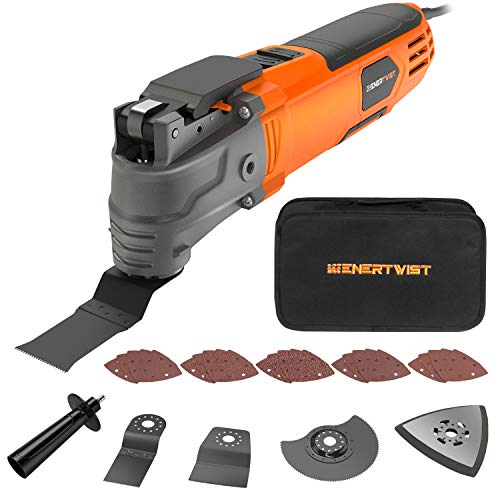
Best for: Versatile grout removal and broader remodeling tasks in one kit. The 4.2 Amp motor and 31 accessories make it a flexible choice for multiple materials beyond grout.
Why it’s selected: It provides broader capability beyond grout removal, allowing users to tackle cutting, sanding, and grinding in one device.
Limitation: The tool is heavier than ultra-compact models; consider user strength and ergonomics for extended sessions.
Buying Guide: How to Choose the Right Electric Grout Removal Tool
What power do you need? For tight joints and delicate areas, a mid-range 1200W model with adjustable speed and dust control is ideal. For larger kitchens and bathrooms with deep grout, a high-power 1200W unit helps speed removal but may create more vibration. If you already own an oscillating tool, investing in a dedicated grout removal blade or a grout removal bit can be the most cost-efficient approach.
What about dust management? Look for models that advertise low-dust operation or compatible debris containment features. A dust-reducing design helps keep work areas cleaner and reduces cleanup time.
How important is portability? For DIY projects in smaller spaces (sinks, vanities, showers), a compact tool that’s easy to maneuver around corners is beneficial. Heavier tools may reduce comfort during extended sessions.
What size joints can you handle? Tools with metal blades around 20 mm inner diameter or compatible blades work well for standard tile grout. For wider joints, prioritize higher power and robust motors to maintain cutting efficiency.
Are you replacing a lot of grout or performing spot work? If you plan on frequent grout removal, choose a tool with a durable motor and ergonomic handle design for reduced fatigue over time. If it’s occasional maintenance, a smaller handheld unit or a blade attachment may suffice.
FAQ
- Q: Can I reuse existing grout once it’s removed? A: Yes, after removing old grout, you can apply fresh grout following manufacturer instructions for the best finish.
- Q: Is dust always a problem with grout removal? A: Dust is common, but choosing tools with dust-reducing features can mitigate the issue significantly.
- Q: Do I need a separate grout removal blade or a full tool? A: A separate blade or bit is often enough if you already own a compatible oscillating tool; otherwise, a dedicated grout removal tool provides more control.
- Q: What safety gear should I wear? A: Use eye protection, a dust mask, and gloves to guard against dust and sharp edges during grout removal.
- Q: How do I prevent damaging adjacent tiles? A: Work slowly at low to mid speeds and use a blade designed for grout removal to minimize impact on surrounding materials.
- Q: Is professional installation recommended for large projects? A: For extensive tiling work, professional installers can ensure consistent grout lines and proper sealing, though many DIYers succeed with the right tool and technique.