
Answering the common buyer question: which drill mixer is best for mixing drywall mud, plaster, or thinset efficiently and with minimal air bubbles? This guide highlights five dependable options that suit different job sizes and power needs. It explains who each product is best for, what to expect from its features, and practical buying tips. Ideal buyers include DIY homeowners tackling small drywall patches, contractors handling mid-size projects, and pro remodelers needing robust, long-lasting tools.
| Product | Best For | Why It Stands Out |
|---|---|---|
| DEWALT DW130V | General contractors and serious DIYers | Powerful 9A motor with variable speed and reverse helps prevent air bubbles when mixing mud. |
| SILVEL Cement Mixer | Medium to large mixing tasks | High-power 2300W motor with multiple speeds and a durable build for heavy mixing. |
| MAXXT Drill Mixer | Budget-conscious users needing reliability | 9A motor and 360° rotation offer versatile control and maneuverability. |
| IMAYCC Cement Mixer 2100W | Home remodeling projects with frequent mixing | Six speeds, overheating protection, and robust motor for consistent results. |
| IMAYCC Drill Mixer 3200W | Heavy-duty, demanding tasks | High-powered 3200W motor with variable speeds up to 1600 RPM and multifunction use. |
DEWALT Electric Drill, 1/2-Inch, 9-Amp (DW130V)

This drill mixer pairs a high-power 9A motor with variable speed control and a reverse function. The ability to reverse helps prevent mud from clumping and reduces air incorporation, making it suitable for drywall mud and plaster blends. The 0-550 RPM range provides strong torque for thick compounds while maintaining control. Best for: professional projects where reliability and consistent mixing matter, and for users who need a familiar, durable brand with widely available replacement parts.
Caution: For very small batches, the weight and power may feel excessive; use lower speeds to avoid splashing and heat buildup.
SILVEL Cement Mixer 2300W

The SILVEL model offers a copper motor rated at 2300W, six adjustable speeds, and a portable design. It’s well-suited for mixing slurry, cement, mortar, paint, and plaster. Features like heat emission management and an overheating protection system help extend service life on longer mixes. Best for: users who frequently tackle larger batches or combine multiple materials in one session. Caution: assembly and use require attention to ventilation and heat buildup in prolonged runs.
MILWAUKEE’S Mud Mixer, 18V Bare Tool
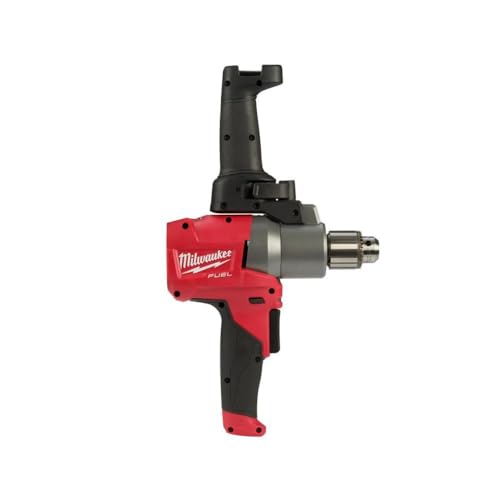
Milwaukee’s 18V bare tool focuses on cordless convenience. While the data provided is limited, this option is best for users who want mobility and quieter operation in smaller jobs where access to a power outlet is limited. Best for: light-to-medium mixing tasks around tight spaces or elevated work areas. Limitation: corded power isn’t available, so run time depends on battery life and charge cycles.
Edward Tools Paint And Mud Mixer

The Edward Tools mixer attachment is designed for 1 to 3 gallon batches, with a 5/16″ hex shaft and zinc-plated steel construction. It’s a practical choice for smaller DIY projects and quick cleanups. Best for: hobbyists or small repair jobs where space and weight are critical. Limitation: not ideal for large batches or heavy, thick drywall mud blends due to size and shaft limitations.
IMAYCC Cement Mixer 2100W

IMAYCC’s 2100W mixer features a six-speed system, overheating protection, and a capable motor for mixing mud, plaster, grout, and thinset. The self-locking switch and dual-paddle design help ensure thorough mixing with less splash. Best for: mid-to-large drywall projects or mixing multiple materials in a single session. Caution: check for heat buildup during extended runs and allow cooling breaks as needed.
IMAYCC Cement Mixer, 2100W
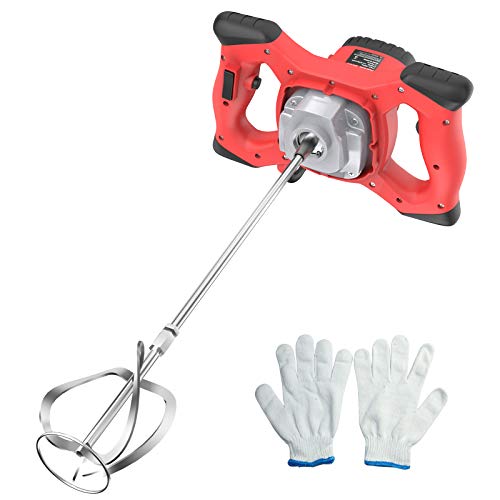
This IMAYCC model mirrors the 2100W configuration with six speed settings, designed for versatile use in mud, paint, grout, and plaster. It emphasizes overheating protection and a design that supports consistent mixing with reduced splashing. Best for: users who want a robust, all-purpose mixer that handles several materials. Limitation: ensure the motor power matches the batch size to avoid overloading in very thick mixtures.
Buying Guide
- Motor power matters: Drywall mud is thick; prioritize 9A to 3200W motors for fast, even blending and consistent texture.
- Speed range and control: Look for multiple speeds (preferably low for thick mud, higher for lighter blends) and a smooth trigger for precise control.
- Reverse function: A reversing option helps prevent air bubbles and reduces clogging when mixing thick compounds.
- Durability and build: Zinc-coated or rust-resistant attachments, reinforced welds, and heat protection extend tool life on long sessions.
- Portability vs. power: Larger mixers deliver power but add weight. For tight spaces, consider versatile models with good balance.
- Compatibility: Ensure the mixer shaft and hex fittings fit standard drills you own. Some attachments are universal, others are model-specific.
- Maintenance: Easy-clean design, rust resistance, and simple disassembly help keep mud residue from hardening on components.
Frequently Asked Buyer Questions
- What is the best drill mixer for drywall mud? Answer: A high-torque model with a reversible motor, multiple speeds, and a comfortable grip is typically best for drywall mud, enabling steady blending without air bubbles.
- Should I choose corded or cordless for drywall mud mixing? Answer: Corded models generally provide consistent power for larger batches; cordless tools offer mobility for tight spaces but may have limited run time.
- How thick should drywall mud be for mixing? Answer: Drywall mud should be smooth and lump-free, similar to thick pancake batter. Use slower speeds to minimize splashing and air pockets.
- Can I use a regular drill for mixing mud? Answer: Yes, but a dedicated drill mixer attachment with a hex shaft and appropriate torque usually yields better, more uniform results.
- What safety features matter most? Answer: Overheating protection, safety guards, and a stable handle help prevent burns and control loss during long blends.
- Are these tools suitable for other materials? Answer: Many models handle plaster, mortar, paint, and grout in addition to drywall mud, but check the manufacturer’s guidance for each material’s viscosity.