
Answering the common buyer question, this guide compares top biodegradable and standard oil options for chainsaw bars and chains. The listed picks fit different needs: eco-friendly options for waterways and sensitive areas, all-season performance for pros, and heavier-duty formulations for frequent high-speed use. The top picks include a biodegradable DEWALT option for eco-conscious users, Husqvarna for all-season reliability, Prime Guard for cold-weather performance, Oregon for universal compatibility, and STP for wear protection. Use the summary table to quickly compare core attributes and suitability.
| Product | Best For | Volume | Notable Benefit |
|---|---|---|---|
| DEWALT – Biodegradable Bar & Chain Oil – Green | Eco-conscious users, mixed-electric/gas saws | 16 oz | Non-toxic, soy-based formula |
| Husqvarna X-Guard Premium All Season Oil | All-season reliability, heavy-duty use | 1 gallon | Extends life of bar, chain, sprocket |
| Prime Guard Bar & Chain Oil | Cold climates, consistent lubrication | 1 gallon | Strong tackiness, low-temperature performance |
| Oregon 54-026 Premium Bar & Chain Oil | Universal compatibility, all brands | 1 quart | All-season performance, reduces oil throw-off |
| STP Premium Bar and Chain Oil | Wear protection, immediate use | 32 oz | Anti-wear agent ZDDP |
DEWALT Biodegradable Bar & Chain Oil – 16 oz

Best for eco-conscious hobbyists and outdoor professionals who perform light-to-moderate cutting with both electric and gas saws. This oil uses soy-based, biodegradable ingredients and offers a wide operating range from -15°F to 500°F, helping maintain lubrication across seasons. Its ultraclean formulation minimizes environmental impact in 100% loss applications, reducing residue and cleanup after use. While non-toxic, it remains a reliable lubricant that reduces friction and wear, helping extend bar and chain life. Limitations include a smaller volume per bottle for those planning heavy, daily use.
Husqvarna X-Guard Premium All Season Oil

Best for professional or frequent users seeking all-season reliability. Husqvarna’s X-Guard Premium is designed to extend the life of the bar, chain, and sprocket through reduced friction and wear. Suitable for both electric and gas-powered saws, its formulation supports smoother operation in varied temperatures. A potential drawback is the larger container, which may be less convenient for casual, infrequent use or storage space-limited setups.
Prime Guard Bar & Chain Oil – 1 Gallon

Best for buyers needing reliable lubrication in varying temperatures with a focus on protecting metal-to-metal contact. Prime Guard’s oil forms a robust protective film, maintaining lubricity even in lower temperatures and during high-speed operation. The oil’s tackiness helps keep lubrication on the chain during aggressive cuts. A limitation is that it may be more expensive per ounce than some bulk options, depending on availability and pack size.
Oregon 54-026 Premium Bar and Chain Oil
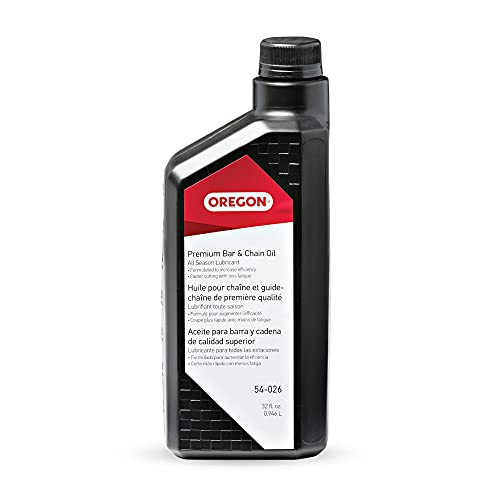
Best for users seeking universal compatibility and all-season performance. Oregon’s oil offers extra tackiness to reduce “oil throw off” and keeps chains running smoother in winter conditions. It is suitable for gas and electric chainsaws, pole saws, hedge trimmers, and other equipment with bar and chain systems. The primary limitation is that some users report variability in performance depending on saw design and operating conditions.
STP Premium Bar and Chain Oil

Best for users needing immediate-use protection with enhanced wear resistance. STP’s formulation includes Zinc Dialkyl Dithiophosphate (ZDDP) as an anti-wear agent to help shield the bar and chain. It is formulated for chainsaws and is ready for immediate use. A potential limitation is that ZDDP-based formulas may interact differently with some synthetic or specially coated bars; consult your bar manufacturer’s guidelines if uncertain.
Buying Guide
Key purchase considerations help tailor your choice to your saw, climate, and maintenance routine.
- Oil type: biodegradable vs conventional. If environmental impact matters, choose soy-based, biodegradable options like DEWALT’s green oil.
- Volume needs: smaller volumes (16 oz) suit casual users; larger gallons are better for pros or frequent users with multiple tools.
- Temperature range: colder conditions demand tackier, low-temperature formulas to prevent oil throw-off.
- All-season performance: look for oils that maintain viscosity and lubrication across a wide range of temperatures.
- Compatibility: ensure the oil works with your saw’s bar and chain materials, and check if a brand-specific oil is recommended.
- Wear protection: anti-wear additives (like ZDDP) can extend chain life under heavy use, but verify compatibility with your bar coating.
- Environmental considerations: for sensitive habitats or waterways, prefer non-toxic, biodegradable options.
Frequently Asked Questions
- What is the difference between biodegradable and standard bar oil?
Biodegradable oils are designed to break down more easily in the environment and are often non-toxic, suitable for waterways and sensitive areas. Standard oils may offer strong tackiness and wear protection but can be less eco-friendly. - How do I choose the right oil volume for my saw?
Choose smaller volumes for casual, infrequent use and larger bottles or gallons for regular use or multiple tools to reduce refilling frequency. - Is higher tackiness always better?
Higher tackiness helps reduce oil throw-off and keep lubrication on the chain, but excessive tackiness can cause buildup in some saw designs. Balance with operating conditions and saw type. - Can I mix different brands of oil?
Mixing oils is generally not recommended due to potential formulation conflicts. If in doubt, stick to a single brand or check manufacturer guidance. - Will oil affect my wood-cutting performance?
Proper lubrication reduces friction, heat, and wear, improving efficiency and potentially boosting cutting performance and tool life. - Are environmental oils safe for wildlife?
Biodegradable, non-toxic formulations are designed to minimize environmental impact, but always follow local regulations and proper handling practices.