
Finding the right ceiling insulation batts depends on your needs: sound control, fire resistance, or easy retrofit in existing ceilings. This guide focuses on popular batts and related accessories to help American homeowners choose effectively. The top picks cover mineral wool, unfaced fiberglass, and practical installation aids. Best for: homeowners seeking improved sound dampening and fire resistance; DIYers matching joist spacing; and renovators needing straightforward installation.
Summary of selected products
| Product | Best For | Highlights |
|---|---|---|
| ROCKWOOL AFB Acoustical Fire Batts | Sound control & fire resistance | 2″ thick mineral wool, flexible batt, high density |
| Owens Corning R-19 Unfaced Faced Batt | Deep wall/ceiling retrofits | 6.5″ thick, unfaced for moisture control |
| R-30 Unfaced Fiberglass Batt | Standard ceiling retrofit | 16″ W x 48″ L; 1 bag |
| YEXEXINM Insulation Support Wire | Secure batt insulation | 16″ steel supports; durable and tensioned |
| Welecom Insulation Support Wire | Secure rolls in joists | 16″ carbon steel; 200 pcs |
ROCKWOOL AFB Acoustical Fire Batts, 2″ Thick

Material: Mineral wool batts designed for acoustical dampening and heat resistance. Density is 2.5 pounds per cubic foot. Flexibility mirrors common batt insulation, not rigid boards.
Best for: homeowners seeking better sound control and high-temperature tolerance in attic or ceiling assemblies. This product’s mineral wool composition offers fire resistance and durability compared with standard fiberglass.
Why selected: It combines acoustical performance with thermal durability, making it a strong all-around ceiling batt option where noise reduction matters. Caution: flexible batt may be less rigid than rigid boards and may require proper framing for full shape control.
Owens Corning R-19 Unfaced Fiberglass Insulation

Material: Unfaced fiberglass batt with 6.5″ thickness. Coverage: one bag covers approximately 77.5 square feet across eight batts. Suitable for deeper wall or retrofit applications where moisture control is managed separately.
Best for: retrofits or new construction where moisture-control layers are already planned or added separately. The unfaced design helps in layers requiring vapor control strategies.
Why selected: standard choice for ceiling and attic applications, offering straightforward installation with familiar dimensions. Caution: unfaced means you must consider an additional vapor barrier or moisture management plan in some environments.
R-30 Unfaced Fiberglass Insulation Batt
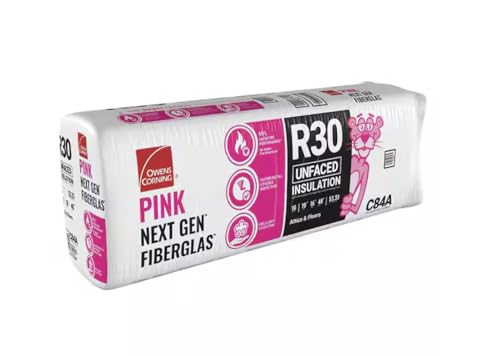
Material: Unfaced fiberglass batt, 16″ wide by 48″ long. Thickness suitable for thicker ceiling assemblies and retrofit projects where extra R-value is needed.
Best for: homeowners aiming for higher R-value in attic spaces without a vapor barrier. Choose this if you have 2×6 or thicker wall/ceiling assemblies and need extra insulation depth.
Why selected: provides higher insulation thickness with familiar installation, though need to ensure proper joist spacing. Caution: fiberglass batts can irritate skin and eyes during handling; wear protective gear.
200 Pcs 16 Inch Insulation Support Wires

Material: True spring steel with 0.08 inch (2 mm) diameter. Designed to hold insulation securely between 16″ on-center joists.
Best for: DIY installers seeking reliable, long-lasting support to prevent insulation sagging above ceilings and in attics. Data suggests robust tension retention over time.
Why selected: easy, cost-effective way to keep batt insulation in place, reducing gaps. Caution: these are supports, not insulation themselves; match with your joist spacing and batt thickness.
200 Pcs Insulation Support Wires 16 Inch High Carbon Steel

Material: 82B high carbon steel; 0.08 inch (2 mm) diameter. Durable, with good tensile strength and flexibility for long-term use.
Best for: installations requiring long-term stability in attic and ceiling joints with 16″ spacing. Choose this if you prioritize stronger steel for heavy insulation loads.
Why selected: high-carbon steel offers robust performance, though handling and cutting require standard metalworking precautions. Caution: ensure compatibility with your joist material to avoid corrosion or bending.
ZeahVeyora 6 Pack Recessed Light Insulation Cover

Material: Fire-resistant ceramic fiber; designed to fit standard 5″ and 6″ recessed lights. Helps prevent insulation contact with hot fixtures and reduces fire risk.
Best for: attic and ceiling spaces with recessed lighting where insulation clearance around fixtures is critical for safety.
Why selected: adds an additional safety layer around hot can lights. Caution: fit compatibility to ensure proper seal with your lighting fixtures.
Buying Guide
What type of insulation batts should I choose?
Choose mineral wool batts for better fire resistance and sound dampening, or unfaced fiberglass batts for cost-effective, common retrofit insulation. Consider whether you need additional moisture control or higher R-values per inch.
R-value, thickness, and joist spacing: how to match?
R-value increases with thickness. Common ceiling batts range from 6.5″ to 9.5″ in thickness. Match batt width to joist spacing (typically 16″ on-center). For deeper cavities, select thicker batts or additional layers with proper containment.
Is unfaced insulation better for ceilings?
Unfaced batts are preferred when a separate vapor barrier is planned or when moisture control is addressed by other means. Faced batts provide built-in vapor barriers but may require careful moisture management on-site.
Accessories: when are insulation supports needed?
Insulation support wires help keep rolls and batts in place, preventing sagging and gaps. They are especially helpful in attic spaces and between joists with long spans.
Safety considerations
Wear protective gear when handling fiberglass or mineral wool to prevent skin and eye irritation. Ensure good ventilation and follow local building codes for attic and ceiling installations.
Installation tips for best results
- Cut batts to fit snugly around obstacles while avoiding compressing the material.
- Seal gaps around edges with appropriate tape or closures to minimize air leakage.
- Place insulation to cover the entire cavity, but avoid blocking recessed fixtures without covers.
FAQ
- What is the difference between mineral wool and fiberglass batts? Mineral wool, like ROCKWOOL, often offers higher fire resistance and density, while fiberglass batts are cost-effective and easy to install.
- Do I need a vapor barrier with unfaced batts? Depending on climate and moisture sources, a separate vapor barrier or moisture-control method may be required.
- Can I combine different batt types in the same attic? Yes, but plan to maintain consistent air sealing and moisture management across sections.
- How do I prevent batt sag in attics? Use insulation support wires or netting to hold batts in place between joists.
- Are there safety concerns with ceramic fiber insulation covers? They reduce fire risk around fixtures but must fit properly to avoid gaps and overheating near fixtures.
- Which option is best for sound control? Mineral wool batts generally provide better acoustical dampening than standard fiberglass in many configurations.