
Find the right boots for shingle roofing with a focus on grip, comfort, and protection. This guide highlights five boots that balance traction on wet and angled surfaces with durability for long jobs. The best pick fits the wearer’s task level—do-it-yourself roofers may prioritize comfort and ease of movement, while pros seek heavy-duty protection and lasting grip on variable roof types.
Buyer quick reference table:
| Product | Best For | Key Benefit |
|---|---|---|
| Korkers TuffTrax 3-in-1 Overshoe | Versatile roof contexts | Interchangeable soles for variable traction |
| MBS Outfitters RoofWalker Boot | All-roof surfaces | Excellent grip and breathable comfort |
| Cougar Paws Peak Performer Roofing Boot | Breathability and moisture control | Durable leather with vented design |
| Geerta Anti-Slip Roofing Shoes | Steel-toe protection with grip | Electrical hazard insulation and deep-lug outsole |
| THNIOI Roofing Boots | Rugged, metal/shingle work | Steel/leather build with broad size range |
Korkers TuffTrax 3-in-1 Overshoe Sandal for Work Boots

The Korkers TuffTrax system offers a 3-in-1 approach to traction, making it ideal for roofers who face varied surfaces. With a soft foam outsole installed, it performs well on metal roofs, while the customizable hook-and-loop sole system lets users swap between traction profiles as conditions change. This option is best for workers who want adaptable traction without removing boots. A potential limitation is the need to purchase separate sole options for the full range of surfaces.
MBS Outfitters RoofWalker Roofing Boot

The RoofWalker boot emphasizes exceptional grip and friction across plywood, shakes, felt, slate, shingles, and more. Its breathable liner and cooling vents help reduce foot fatigue on long days, while a long-lasting replacement pad design supports durability. An adjustable strap across the bridge provides a firm hold. This option is best for roofers who need strong grip and breathable comfort, but users should verify compatibility with their specific boot size to ensure a precise fit.
Cougar Paws Peak Performer Roofing Boot

The Peak Performer combines breathable interior lining with vented exterior design to manage moisture and keep feet dry. Full-grain leather on the upper portion provides durable moisture resistance. This boot is best for users who prioritize moisture management and long-duration comfort on dry to damp roof surfaces. A potential limitation is that leather uppers may require regular maintenance to retain water resistance over time.
Geerta Anti-Slip Roofing Shoes for Men
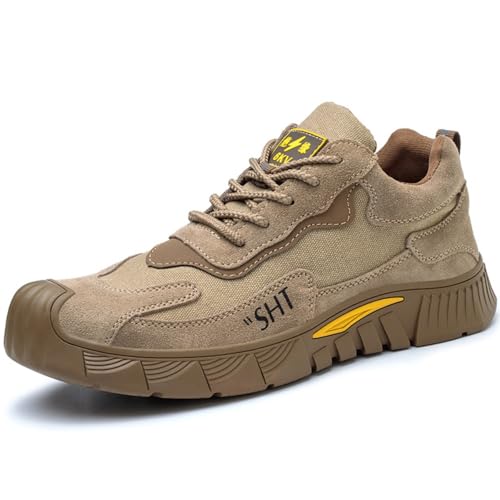
The Geerta boot emphasizes reinforced steel toe protection and an advanced slip-resistant outsole for wet, oily, and sloped surfaces. Its electrical hazard insulation adds protection around live circuits. This option is best for electricians or roofers working on hazardous surfaces, but the heavier build may feel stiffer for extended walking on flatter sections.
Cougar Paws Roofing Boots for Metal and Shingle Roofs

This heavy-duty option blends steel and leather for long-lasting wear and provides an anti-smash design. It suits high-risk environments where foot protection from heavy impacts is crucial. It’s best for pros needing rugged durability across metal and shingle roofing tasks, but the heavier construction may be less comfortable for lighter-duty work.
THNIOI Roofing Boots for Metal Roofing and Shingle Roof

THNIOI boots feature a robust steel-and-leather build with anti-smash design for protection against heavy impacts. The wear-resistant exterior is designed to maintain structural integrity on shingle roofs, and a broad size range (36-46) supports a variety of foot sizes. This option is best for workers who frequently handle heavy materials and risk of impact, with a caveat that heavier construction might reduce speed on flat sections.
Buying Guide
What should you look for when choosing roofing boots?
- Traction: Consider soles designed for wet surfaces and varied roof pitches. Look for deep lugs, multi-cleat patterns, or interchangeable sole systems for adaptable grip.
- Protection: Steel toes or reinforced toes protect against dropped tools and nails. Electrical hazard insulation adds safety for certain work environments.
- Breathability and moisture control: Venting and breathable liners reduce heat and fatigue on long days.
- Durability: Leather uppers and wear-resistant exteriors extend boot life on rough shingles and metal surfaces.
- Fit and sizing: Ensure a secure fit with adjustable straps or broad size ranges to accommodate different foot shapes.
Frequently Asked Questions
- Are shingle roofing boots different from general work boots? Yes, they emphasize grip on angled and wet surfaces and often include protective features for roof environments.
- Should I choose steel-toe boots for roofing? Steel toes offer extra protection but can add weight; assess your risk level and comfort needs.
- What sole type is best for metal roofs? A sole with metal-specific traction or a 3-in-1 system that allows swapping to a metal-friendly tread is ideal.
- Is breathability important for long roof jobs? Yes, breathable liners help reduce foot fatigue and overheating on extended tasks.
- Do these boots work on asphalt shingles and slate? Most listed options cover both shingle and metal surfaces, but check the sole compatibility for your typical roofing material.