
Answering the common question “which bench priming tool should I choose?” this guide compares top bench priming solutions for consistent primer seating. The listed tools suit different reloader needs—from compact, budget-friendly options to professional-grade devices. Best for hobbyists, the Lee Auto Bench Priming Tool offers versatility; the Derraco PCPS line targets precision with micrometer stops; RCBS and Lyman models balance ease of use with durability. The following summary helps you pick the right model based on your reloading setup and primer-tube preferences.
| Product | Brand | Best For |
|---|---|---|
| Lee Precision 90700 Auto Bench Priming Tool | Lee Precision | Budget-friendly, versatile priming with large and small trays |
| DERRACO ENGINEERING Poorman’s PCPS | DERRACO ENGINEERING | High-precision, micrometer stop, fits most presses |
| DERRACO ENGINEERING Poorman’s PCPS-LITE | DERRACO ENGINEERING | Compact precision priming with reliable machining |
| RCBS 9460 Auto Priming Tool | RCBS | Classic auto-priming with solid balance |
| Lyman Accu-Prime Auto-Load Bench Priming Tool | Lyman | Established innovation in priming with auto-load design |
Lee Precision Auto Bench Priming Tool
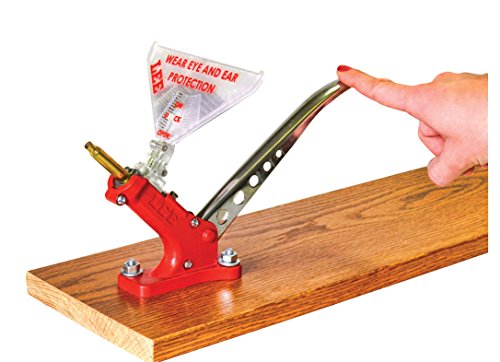
The Lee 90700 Auto Bench Priming Tool is built for flexible priming on a fixed bench. It features a triangular tray compatible with most primer boxes, an ergonomic design, and large plus small primer trays to simplify handling. Best for hobbyist reloaders who want adaptable priming with straightforward setup. Limitation: some users may prefer micrometer-level adjustment not available in this model.
DERRACO Poorman’s PCPS Precision Priming Tool

The PCPS precision priming die from Derraco is designed to deliver high-precision results with a micrometer hard stop. It works with 7/8-14 reloading dies and standard T-shaped shell holders. Best for reloaders needing tight tolerance and consistent primer seating. It includes a shell holder shaped anvil and can accommodate color-coded primer tubes. Caution: may require more setup familiarity than basic pr iming tools.
DERRACO Poorman’s PCPS-LITE Precision Priming Tool

The PCPS-LITE offers compatibility with presses that accept 7/8-14 dies and uses Lee Standard flat-type priming shell holders. It emphasizes consistent results through precision machining. It also supports color-coded primer tubes and accepts standard 7.92mm priming tubes. Best for compact setups where precision matters but space is limited. Limitation: fewer accessory options than full PCPS models.
RCBS 9460 Auto Priming Tool

The RCBS 9460 Auto Priming Tool is a classic choice that weighs about 2.25 pounds, delivering reliable auto-priming performance. It is a compact bench-mounted option suitable for steady priming operations without requiring a press. Best for users seeking a proven, simple auto-priming solution. Caution: availability of replacement parts and compatibility with certain primer brands may vary by batch.
Lyman Accu-Prime Auto-Load Bench Priming Tool

Lyman’s Accu-Prime Auto-Load design integrates auto-loading features with bench priming. The brand is recognized for innovative reloaders’ tools, making it a dependable option for consistent primer seating. Best for reloaders who value brand familiarity and a streamlined priming workflow. Limitation: may be less modular than micrometer-based systems for fine-tuning primer depth.
RCBS Primer Pocket Swager – Bench Mounted

RCBS also offers a bench-mounted primer pocket swager for crimp removal, which is different from priming but relevant to the priming workflow in bench setups. Best for users who need a dedicated crimp removal tool as part of their priming station. Limitation: not a priming tool by itself; requires integration with other priming devices.
Buying Guide
What to consider when choosing a bench priming tool:
- Primer compatibility: Ensure the tool accepts your preferred primer brands and box sizes, and if it supports both large and small primers.
- Mounting and stability: Look for a sturdy bench-mount design to prevent movement during seating.
- Precision features: Micrometer stops or adjustable seating depth help achieve consistent primer depth and seating pressure.
- Shell holder compatibility: Check if the tool uses standard shell holders you already own or requires specific types.
- Ease of use: Ergonomics, tray access, and waste tube handling affect long sessions at the bench.
- Expansion options: Availability of additional accessories, such as color-coded tubes and replacement parts, can extend the tool’s life.
Practical recommendations by use case:
- hobby reloaders with mixed primers: Lee Precision Auto Bench Priming Tool offers versatility and easier setup.
- precision-focused setups: Derraco PCPS and PCPS-LITE provide micrometer-driven control and tight tolerances.
- compact, proven performance: RCBS 9460 Auto Priming Tool balances simplicity and reliability.
- brand-focused workflow: Lyman Accu-Prime combines established design with auto-load features for steady priming.
FAQ
- What is the main purpose of a bench priming tool? It primes cartridge cases with primers at a consistent depth and seating effort, improving ignition reliability.
- Can I use large and small primers with these tools? Many models support both sizes, but verify each product’s compatibility in its specs.
- Is micrometer adjustment important for precision? Yes, it allows precise control over primer seating depth, reducing misfires due to seating variance.
- Do these tools require a reloading press? Some are standalone bench devices; others integrate with presses or shell-holders as part of a station.
- Are replacement parts readily available? Brand-backed tools typically have accessible spare parts and accessories for extended use.
- Which tool is best for beginners? A model with straightforward setup and dual primer trays, like the Lee Precision Auto Bench Priming Tool, is often beginner-friendly.