
The top 5 belt sanders below are selected for 3″ x 21″ belts and are best suited for woodworkers who want reliable power, adjustable speed, and versatile setup options. This guide targets hobbyists and professionals who seek solid performance, ease of use, and practical features like dust collection and bench conversion. The featured models vary in motor power, speed range, and accessory bundles to fit different project scales and budgets. A quick summary table helps you compare core specs at a glance.
| Product | Motor Power | Speed Range | Best For | Notes |
|---|---|---|---|---|
| WEN 6321 | 7 amps | Over 13 ft/s belt speed | Light to medium woodworking, portable use | Lightweight; includes dust bag |
| WEN HB321V | 7.5 amps | 620–1200 fpm | Projects needing variable speed | Lock-on switch; quick belt changes |
| Metabo HPT SB8V2 | 9 amps | Variable speed on base | Rough to finish sanding, heavier material work | Soft grip; includes dust bag |
| Makita 9903 | 8.8 amps | 690–1440 ft/min | Precision and long belt life | Auto-tracking belt system |
| CRAFTSMAN CMEW213 | 7 amps | Max 800 fpm | Dense material removal | Angled belt design for flush sanding |
WEN 6321 7-Amp Belt Sander
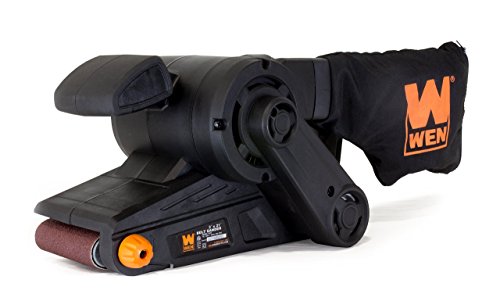
Features: 7-amp motor drives the belt at over 13 feet per second. The compact design weighs six pounds to minimize user fatigue. Includes a detachable dust bag for reduced clean-up. Best for light-to-medium wood sanding tasks and portable use around a project or job site. Caution: belt alignment and dust bag maintenance are important for consistent performance.
Who it’s best for: Hobbyists and DIYers seeking a lightweight tool for quick, on-demand sanding with a simple setup. It’s a solid entry-level option that prioritizes portability and ease of use over heavy-duty continuous operation.
WEN 7.5-Amp HB321V Variable Speed Sander

Features: 7.5-amp variable speed motor covers 620 to 1200 feet per minute. Lock-on power switch enables continuous sanding, while a quick-release belt tension lever simplifies belt changes. Best for jobs requiring control across different materials and finishes. Caution: heavier use may demand additional vibration management and dust collection considerations.
Who it’s best for: Woodworkers who frequently switch between delicate finish work and aggressive material removal and want consistent belt performance without constant grip on the trigger.
Metabo HPT SB8V2 Belt Sander

Features: 9-amp motor with a forcible power design for tougher sanding tasks. Includes a sanding belt and dust bag, plus a variable-speed dial at the base of the handle for fine-tuned control. Best for heavier stock removal and project roughing, where consistent power matters. Caution: heavier operation can generate more vibration; consider anti-fatigue measures.
Who it’s best for: Professionals or serious hobbyists tackling larger projects or denser wood where sustained power and adjustable speed are essential.
Makita 9903 3″ x 21″ Belt Sander

Features: 8.8-amp motor with a wide speed range from 690 to 1,440 ft/min. Variable speed control plus an auto-tracking belt system for easy belt alignment. Best for precision work and finishing where belt alignment accuracy reduces setup time. Caution: heavier weight may be less comfortable for extended use without a supporting bench setup.
Who it’s best for: Woodworkers prioritizing belt tracking reliability and a broad speed range for a variety of finishes and stock densities.
CRAFTSMAN 7 Amp Belt Sander CMEW213

Features: 7-amp motor with an angled belt design for sanding closer to adjoining surfaces. Max 800 feet per minute for faster material removal and a tool-free belt release for quick belt changes. Best for flush sanding and areas with tight tolerances. Caution: angled sanding can be less forgiving near edges; ensure proper guidance and support when approaching corners.
Who it’s best for: Users who need to reach tight corners and flush surfaces with reliable belt change convenience.
Buying Guide: Key Considerations for 3×21 Belt Sanders
Motor power and belt speed determine how quickly stock is removed and how well the sander handles dense woods. Variable-speed models offer adaptability for different materials and finishes. Weight and ergonomics influence fatigue during longer sessions. Dust collection, either via a bag or vacuum adapters, improves cleanliness and visibility. Belt tracking and quick belt changes save time on frequent project switches. Consider bench-conversion capability if you anticipate using the sander as a stationary tool for precision work.
What features matter most?
- Power: Higher amperage generally supports tougher stock, especially with 3″ belts.
- Speed range: A broad range helps dial in the right aggressiveness for the job.
- Weight and balance: Lighter tools reduce fatigue; a comfortable grip aids accuracy.
- Dust management: Sealed dust bags or vacuum adapters keep workspaces cleaner.
- Versatility: Bench conversion or dual-clamp setups increase project applicability.
How to choose based on your projects
- Light finishing and trim work: prefer lighter weights and smoother speed control.
- Rough stock removal: prioritize higher amperage and wider speed ranges.
- Edge and corner access: look for angled belt designs or compact footprints for tight spots.
Frequently Asked Questions
- What does 3×21 inch belt size mean?
It refers to the belt width of 3 inches and belt length of 21 inches, a common size for woodworking sanders that balance material removal with maneuverability.
- Are variable-speed belt sanders worth it?
Yes, for projects involving different woods and finishes. Variable speed lets you match aggressiveness and finish quality more precisely.
- Is a dust bag enough for cleanup?
A dust bag helps, but adding a vacuum adapter or external dust collection system improves visibility and reduces cleanup time on large projects.
- Can these sanders serve as bench sanders?
Many models offer a bench or table mounting option via clamps or a reversible design, enabling bench-sander use for stability and accuracy.
- Which brand offers the best belt tracking?
Auto-tracking features, like Makita’s belt tracking, help keep the belt aligned during operation with less manual adjustment.