
Finding the right portable solar panel setup can unlock reliable off-grid power for camping, RV trips, marine use, and emergency backup. This guide highlights five top 315W-class or higher portable options, focusing on efficiency, durability, and ease of use. Each product is evaluated for portable energy generation, build quality, and real-world performance to help you compare options quickly and confidently.
| Product | Brand | Rated Power | Type | Key Benefit |
|---|---|---|---|---|
| 800W Portable Solar Panel (2x400W) | Ayahoomane | 800W | Foldable Kit | High output for power stations |
| Renogy 200W Portable Solar Panel | Renogy | 200W | Foldable | Lightweight with high efficiency |
| Renogy 400W Solar Panel Blanket | Renogy | 400W | Foldable Blanket | Ultra-compact storage |
| Renogy 200W ShadowFlux Anti-Shading | Renogy | 200W | Rigid/Compact | Shading-tolerant efficiency |
| Renogy 300W Portable Solar Panel Suitcase | Renogy | 300W | Suitcase | High efficiency, durable |
800W Portable Solar Panel Kit (Ayahoomane)
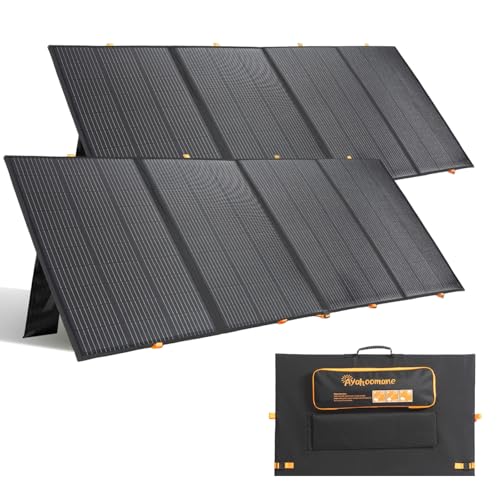
Ayahoomane’s 800W kit comprises two 400W panels designed for off-grid power stations and high-demand loads. The configuration focuses on maximizing sunlight capture with high efficiency, converting up to 23.5% of sunlight into usable electricity. The panels use ETFE lamination with a heat-resistant, dustproof surface to extend durability in challenging outdoor conditions. An IP67 waterproof rating adds protection against water exposure, supporting outdoor activities in varied weather. This setup suits RVs, marine use, and camping where robust outdoor energy is essential.
Renogy 200W Portable Solar Panel

Renogy’s 200W foldable panel features industry-leading efficiency with 16BB N-Type cells achieving about 25% efficiency. The unit is lightweight at roughly 13.89 lbs and folds to compact dimensions for easy transport, storage, and setup in tight spaces—ideal for SUVs, trailers, or small RVs. It supports multiple charging scenarios, including USB-C PD, and MC4 outputs to power a portable station or battery systems. The product is designed for versatile off-grid use, including RVs, camping, and emergency backup situations.
Renogy 400W Solar Panel Blanket
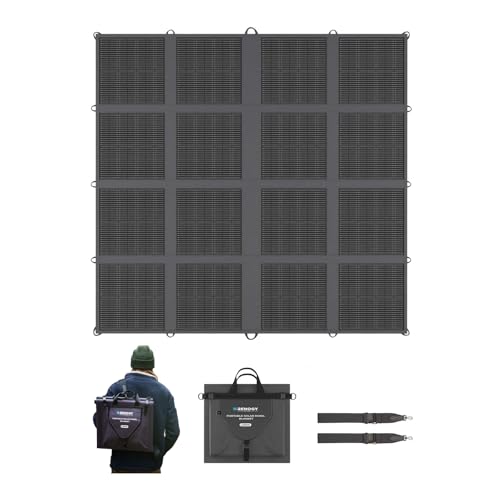
Renogy’s 400W solar panel blanket uses a light 16-fold design to deliver 400W while packing down to a compact form factor. Its 25% efficiency is driven by advanced N-Type technology, offering strong performance in limited spaces or when camping, RVing, or boating. The blanket provides flexible installation options—lay across windshields, deploy on sunny ground, or hang between supports—while maintaining full power output. The foldable package is designed for quick deployment and storage in vehicle or cabin setups.
Renogy 200W ShadowFlux Anti-Shading Panel

This Renogy 200W panel integrates ShadowFlux anti-shading technology and 16BB N-Type cells to deliver reliable output even when parts of the panel are shaded. Its compact, lighter design reduces space requirements for RVs, boats, or cabins while improving power consistency during partial shading. The panel supports efficient charging for power stations and deep-cycle batteries, with a focus on minimizing hot spots and micro-cracks for extended durability in outdoor environments.
ECO-WORTHY 400W Solar Panels System

This ECO-WORTHY package includes four 100W panels totaling 400W, designed for off-grid PV power with a robust IP65-rated junction box and PERC-efficiency up to 23%. The 35-inch cables and sturdy aluminum frame support outdoor installations on roofs, sheds, boats, or RV setups. The kit emphasizes durability against wind and weather, with a long-term lifespan suitable for home, camping, or farm applications, delivering consistent daily output under favorable sunlight conditions.
Renogy 300W Portable Solar Panel Suitcase

Renogy’s 300W suitcase brings high efficiency in a rugged, foldable design with kickstands for stable positioning. The N-Type cell technology achieves around 25% efficiency, outperforming many 300W panels. It folds into a compact unit for simple transport and storage, with IP67 waterproofing and ETFE coating for durability in extreme weather. Ideal for RVs, camping, blackouts, and off-grid adventures where reliable solar power is required in a compact form factor.
Buying Guide: Key Purchase Considerations
- Power needs and system compatibility: For 315W-class or higher setups, assess whether you need one high-watt panel or multiple units to achieve your target. Compatibility with your power station, battery bank, and inverters is essential.
- Efficiency and cell technology: N-Type cells often offer higher efficiency and better performance in shade and heat. Look for 23-25% efficiency ranges for portable panels to maximize energy generation in variable conditions.
- Portability and weight: Foldable blankets and suitcases excel in tight spaces. Lighter panels ease transport for RVs, campers, and backpacking scenarios, while heavier options may boast higher durability for frequent use.
- Durability and weather resistance: ETFE glazing, IP ratings (IP65 to IP67), and rugged frames matter for outdoor reliability. Verify wind and snow load ratings if you expect harsh conditions.
- Deployment options and mounting: Flexible installation—laying on a surface, mounting on racks, or hanging between supports—affects setup time and placement efficiency. Panels with kickstands or integrated handles improve versatility.
- Wiring, outlets, and expandability: Check MC4 compatibility, USB-PD, and multiple output ports if you plan to charge diverse devices or multiple batteries simultaneously. Consider expandable configurations for future power needs.
- Durability and warranties: Longer warranties and proven field performance reduce long-term risk. Look for ETFE coatings, anti-hot-spot designs, and robust cabling.
- Cost of ownership: While higher-wattage kits deliver more energy, evaluate total cost per watt, transport, installation costs, and any required accessories for a complete setup.
Overall, the selected products provide a range of portable, high-efficiency options suitable for off-grid power needs around 315W or more. When choosing, prioritize the balance of weight, portability, efficiency, and weather resistance to fit your specific outdoor or mobile use case.