
Choosing a reliable 12V DC to 240V AC inverter is essential for powering appliances in RVs, cabins, off-grid systems, or emergency kits. This guide reviews top options that convert 12V, 24V, or higher DC inputs to standard 240V AC with pure sine wave output, prioritizing efficiency, protection features, and compatibility with sensitive devices. The featured models cover a range of power levels and input configurations to help you pick the right inverter for your setup.
| Product | DC Input | AC Output | Power (W) | Highlights |
|---|---|---|---|---|
| BAIYITONGDA 5000W Pure Sine Wave Inverter Charger | 12V/24V/48V/60V/72V | 110-120V, 220-240V | 5000 | High efficiency, multiple protections, suitable for RVs and solar |
| SUNGOLDPOWER 4000W Inverter Charger | 12V | 110-120V/220-240V Split Phase | 4000 | LCD remote, 12000W peak, versatile charging |
| Eastnmythet 5000W Pure Sine Wave | 12V/24V/48V/60V/72V | 110-120V, 220-240V | 5000 | LCD display, wide compatibility, high efficiency |
| KIMISS 500W DC 12V to AC | 12V | 110-240V | 500 | Replaceable fuse, cooling fan, robust for vehicles |
| BESTEK 300W Car Inverter | 12V | 110V | 300 | Dual USB ports, compact car use |
BAIYITONGDA 5000W Pure Sine Wave Inverter Charger

The BAIYITONGDA model delivers a high-capacity pure sine wave output suitable for heavy loads in off-grid systems. It supports multiple DC input configurations (12V, 24V, 48V, 60V, 72V), enabling flexible integration with various battery setups. Its 95% efficiency minimizes energy loss, and the unit includes protective features such as overvoltage, undervoltage, overload, short circuit, and overheating safeguards. A buzzer alert and external fuse add an extra layer of equipment protection, making it a robust option for RVs, solar systems, and field work.
SUNGOLDPOWER 4000W Inverter Charger

This 4000-watt inverter charger provides a reliable 110-120V/220-240V split-phase output with surge capability up to 12000W for brief high-demand periods. It features 12V input and a multifunction LCD remote controller with an attached battery temperature sensor. Two AC outlets, a built-in 30A transfer switch, and a comprehensive charging system support multiple battery types (AGM, Gel, Lead-Acid, Lithium-based). It also supports automatic generator start and utility prioritization, making it a strong choice for off-grid homes and RV setups.
Eastnmythet 5000W Pure Sine Wave Inverter

The Eastnmythet unit supports multiple input voltages (12V, 24V, 48V, 60V, 72V) and outputs 110-120V or 220-240V AC. It emphasizes high efficiency (around 95%) and features an LCD display to monitor key parameters. Protective features include soft start for appliances, over/under voltage protection, and short-circuit safeguards. Its robust aluminum housing aids heat dissipation, ideal for home, RV, truck, and solar applications where reliable conversion is critical.
BESTEK Car Inverter 300W
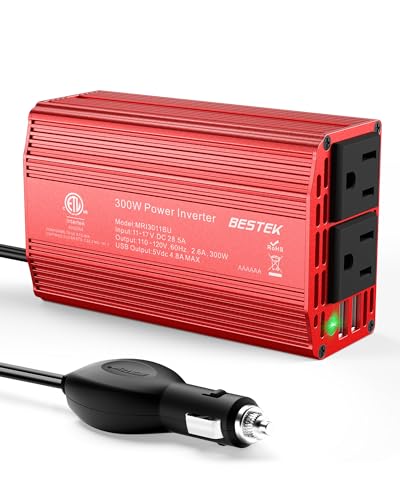
The BESTEK inverter is a compact, car-friendly solution delivering 300 watts continuous power with two AC outlets and two USB ports. Its 11-17V compatibility broadens vehicle integration, and its cigarette-lighter plug keeps installation simple for road trips. While smaller in capacity than the higher-watt units, this inverter is well-suited for charging laptops, phones, and light appliances during travel, with a focus on portability and ease of use in daily driving scenarios.
KIMISS 500W DC 12V To 220-240V Converter

The KIMISS 500W unit provides a compact option for basic AC needs from a 12V source, converting to 220-240V with a built-in cooling fan to prevent overheating. It emphasizes replaceable fuses and safe operation in harsh environments, making it suitable for small caravans, workshops, or temporary off-grid setups where compact power is needed without compromising safety.
Buying Guide: Key Considerations For 12V DC To 240V Inverters
- Power and surge ratings: Match continuous wattage and peak surge to your loads (e.g., motors, heaters, chargers). Higher-watt models handle more devices and brief surges better.
- DC input compatibility: Ensure the inverter supports your battery bank voltage (12V, 24V, 48V, etc.). Some models offer multiple voltages for flexible systems.
- Output waveform: Pure sine wave is best for sensitive electronics and modern appliances; modified sine wave can work for simple devices but may cause noise or inefficiency.
- Protection features: Look for over/under voltage, overcurrent, short-circuit, overload, and temperature protections. Soft-start helps protect appliances on startup.
- Cooling and physical design: Adequate heat dissipation through fans or robust housings extends life in hot environments. Aluminum or magnesium shells provide durability and heat sinking.
- Monitoring and controls: LCD displays, remote panels, or app-based monitoring help track battery condition, voltage, and load in real time.
- Charging compatibility: If the device includes an integrated charger, verify charging current and battery compatibility (AGM, Li-ion, LiFePO4, etc.).
- Installation considerations: Split-phase outputs and the location of outlets can affect how you wire loads in RVs or off-grid cabins.
- Reliability and warranty: Choose brands with clear documentation, certifications, and solid customer support to reduce downtime.
When selecting an inverter, prioritize continuous power needs, battery chemistry, and the critical devices you plan to run. For larger RVs or solar setups, units offering LCD monitoring, high surge capacity, and robust protection provide the best long-term performance. For casual mobile use, compact models with USB charging and straightforward installation may be sufficient.