
Need a reliable 10-inch metal cutting blade for ferrous metals? This guide highlights top picks that balance durability, cut quality, and value. Each option is best suited for different buyers—construction pros needing fast cuts, hobbyists seeking long life, or professionals requiring low vibration and cooler operation. Read on to compare five strong choices and find your best match.
| Product | Best For | Arbor | Teeth |
|---|---|---|---|
| IVY Classic 40088 Swift Cut | General steel and ferrous metal cutting | 5/8 Inch | Not specified on summary |
| TOMAX 10-Inch 80 Tooth | Plastic, aluminum, and non-ferrous metals | 5/8 Inch | 80 |
| OA-BRES 10 Inch Upgrade | Non-ferrous metals with heavy-duty durability | 5/8 Inch | 80 |
| Diablo D1050CF | Medium metal and stainless with long life | 1 Inch | 50 |
| JINSINA 10″ Table Saw Blade | Low-RPM metal cutting with universal fit | 5/8 Inch | 60 |
IVY Classic 40088 Swift Cut 10-Inch Blade
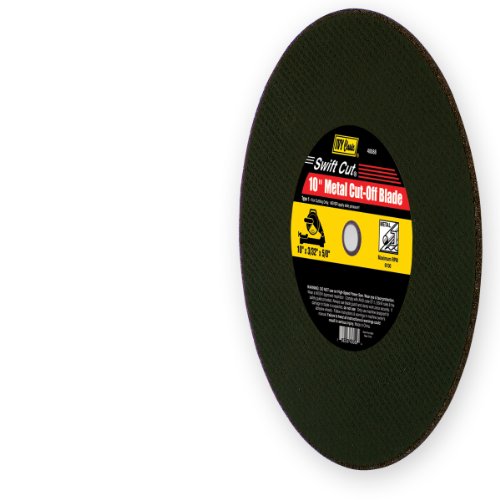
Best for cutting steel, angle iron, sheet metal, and other ferrous metals. This Type 1 blade is designed for cutting only and uses resin-bonded aluminum-oxide grain for faster cutting. The blade is double reinforced with fiberglass mesh for durability and safety. Not recommended for high-speed saws.
Who it’s for: metal fabricators and workshop professionals who need a fast-cutting blade for standard ferrous metal tasks. Choose this if you want a proven blade for straight cuts in steel and iron with enhanced safety via reinforced construction.
Limitation: Some high-speed chop saws may not be compatible; verify your tool’s speed rating before use.
TOMAX 10-Inch 80 Tooth Blade

Best for cutting plastic, aluminum, and non-ferrous metals. Construction-grade carbide teeth provide durability and longer life, with an electrophoretic coating to resist rust and corrosion. The 80-tooth design supports finer, smoother cuts in non-ferrous materials.
Who it’s for: users who frequently cut aluminum and non-ferrous metals and want longer blade life with reduced corrosion risk. Better for projects emphasizing clean edges over aggressive metal removal.
Caution: Not optimized for hard ferrous metals like steel; use the right blade for ferrous cuts to avoid excessive wear.
OA-BRES 10 Inch Upgrade Blade

Best for durable non-ferrous metal cutting with heavy-duty tungsten carbide teeth. The blade features an electrophoretic coating to reduce rust and corrosion. Laser-cut stabilizer vents help trap noise and vibration, keeping the blade cooler and reducing warp.
Who it’s for: professionals needing consistent, cooler cuts with reduced blade warping in long runs. Choose this when heat management and vibration control are priorities.
Limitation: Designed primarily for non-ferrous metals; ferrous metal performance may vary depending on material and setup.
JINSINA 60T 10″ Table Saw Blade
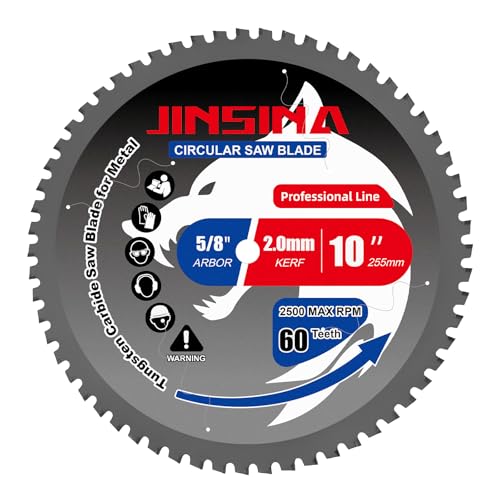
Best for low-RPM metal cutting with 60 teeth and a universal 5/8″ arbor. This blade uses tungsten carbide tips for durability and longer service life, enabling efficient metal cutting with sharp edges at lower speeds.
Who it’s for: hobbyists and professionals using low-RPM metal cut-off saws who need a balance between cost and performance. Opt for this if your machine operates at reduced speeds and you want reliable metal cutting discs.
Limitation: Fewer teeth means rougher cuts on very dense or thick ferrous metals; best suited for lighter ferrous work and non-ferrous materials where appropriate.
Buying Guide: How to Choose a 10-Inch Metal Cutting Blade
What material and cut do you primarily work with?
Ferrous metal blades are optimized for steel and iron. Non-ferrous blades excel with aluminum, brass, and copper. For mixed tasks, consider a blade labeled for both ferrous and non-ferrous use or keep separate tools for each material.
Arbor size and compatibility
Most saws use a 5/8-inch arbor, but some blades come with a 1-inch arbor. Confirm your saw’s arbor size and whether the blade includes adapters. A loose fit can cause vibration and safety concerns.
Tooth configuration and kerf
Lower tooth counts (around 50) cut faster but with rougher edges, suitable for steel. Higher tooth counts (60-80) yield cleaner cuts, ideal for non-ferrous metals and thinner sections. Kerf width affects material waste and cut precision; thin-kerf blades reduce material loss but may wear faster under heavy use.
Coatings and durability
Electrophoretic coatings resist rust and corrosion. Carbide-tipped teeth provide longer life in demanding cutting tasks. Look for reinforced bodies (fiberglass mesh or similar) for safety and durability in high-vibration environments.
Speed and application
Check the blade’s RPM rating and ensure it matches your saw. High-speed saws require blades rated for higher RPM to prevent overheating and edge glazing. For metal cutting, precision and heat management are often as important as raw cutting speed.
Cost versus value
Blade life is a major factor in cost-per-cut. A blade with longer life and cooler cuts can reduce downtime and replacement costs, especially in professional settings. Balance upfront cost with expected usage and material type.
Choosing by scenario
- General steel and ferrous metals: IVY Classic Swift Cut offers strong performance with reinforced safety features.
- Non-ferrous and aluminum: TOMAX and OA-BRES blades emphasize durability and corrosion resistance for longer life.
- Longest blade life and cooler cuts: Diablo D1050CF excels in metal with advanced coatings and chip geometry.
- Low-RPM table saws: JINSINA 60T is designed for slower metal cutting with dependable edges.
Maintenance tips
- Keep blades cool during use; avoid persistent high-speed operation without adequate cooling.
- Clean off metal shavings and check for coating wear to maintain performance.
- Store blades dry and protected from moisture to prevent corrosion.
FAQ
- What blade should I use for steel vs aluminum?
– Use ferrous-rated blades for steel and iron; non-ferrous blades for aluminum and other non-ferrous metals. - Can I use a 10-inch blade on a chop saw?
– Yes, if the saw accommodates a 10-inch blade and the arbor size matches. Verify machine compatibility before use. - Why do some blades have 1-inch arbors?
– Some heavy-duty blades use a larger arbor to reduce stress and vibration on tougher cuts. - What is the benefit of tungsten carbide teeth?
– They offer higher hardness, longer life, and better wear resistance in metal cutting tasks. - Is a thin-kerf blade better for all cuts?
– Thin-kerf blades reduce material waste and can cut faster, but may be less stable on heavy metals; choose based on material and machine rigidity. - How do I prevent blade warping?
– Use stabilizers or vents if available, keep blade cool, and avoid overheating during long cuts.